
7 Proven Health Benefits of Probiotics You Need to Know


Probiotics are basically live bacteria and yeasts that are super good for your health, especially your gut. Honestly, I didn’t know much about them until I started researching for this post. Now, I can’t believe how much they can do! Here’s the deal: the health benefits of probiotics can enhance gut health, boost immunity, and improve digestion. I’ve been using them for a few months, and the difference is noticeable.
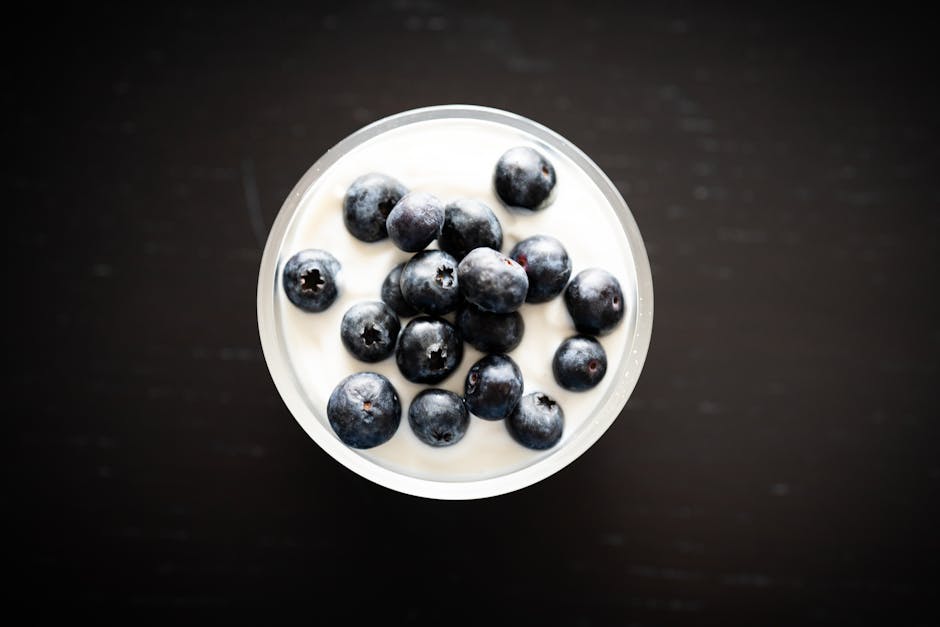
So, I decided to break down the top seven benefits of probiotics. Spoiler: they work wonders!
1. Improved Gut Health
First off, probiotics are known for promoting a healthy gut. They help balance the good and bad bacteria in your digestive system. I can’t stress enough how important this is! A healthy gut means better digestion and less bloating. My friend swears by taking probiotics after meals.
It’s not just about feeling less bloated, though. A balanced gut microbiome is linked to so many other aspects of health. Think of it as the foundation for everything else. When your gut is happy, your body is generally happier. I’ve noticed a huge difference in my energy levels since I started paying closer attention to my gut health. It’s really that important.
Specifically, probiotics help to restore the balance of bacteria in your gut after disturbances. These disturbances can be caused by antibiotics, poor diet, stress, or even travel. By introducing beneficial bacteria, probiotics can help to crowd out the harmful bacteria and restore a healthy balance. This can lead to improved digestion, reduced inflammation, and even better nutrient absorption.
2. Boosted Immunity
Next up, probiotics can enhance your immune system. Research shows that they may help your body fight off infections. According to a 2024 study by NIH, people who regularly consume probiotics have a lower risk of respiratory infections. Seriously, who wouldn’t want that?
I used to get sick all the time, especially during the winter months. It was awful! I’d be down for the count with a cold or the flu every few weeks. But ever since I started taking probiotics regularly, I’ve noticed a significant improvement in my immune function. I still get the occasional sniffle, but I bounce back much quicker, and I haven’t had a full-blown flu in years. It’s been a major shift, honestly.
The reason probiotics boost immunity is that a large portion of your immune system resides in your gut. Probiotics can help to strengthen the gut lining, preventing harmful bacteria and toxins from entering the bloodstream. They also stimulate the production of antibodies, which are proteins that help your body fight off infections. It’s a pretty cool system when you think about it!
3. Better Digestion
If you struggle with digestive issues, probiotics might be the answer. They can help alleviate symptoms of irritable bowel syndrome (IBS) and constipation. I tried a probiotic strain specifically for digestion, and let me tell you, it worked like a charm!
IBS is no joke. My sister suffers from it, and I’ve seen firsthand how debilitating it can be. The constant bloating, gas, and abdominal pain can really impact your quality of life. Probiotics have shown promise in reducing these symptoms by helping to regulate bowel movements and reduce inflammation in the gut. It’s not a cure-all, but it can definitely make a difference.
Even if you don’t have IBS, probiotics can still help improve your digestion. They can help to break down food more efficiently, reduce gas and bloating, and improve nutrient absorption. I’ve found that taking probiotics regularly has helped me to feel less sluggish and more energized after meals. It’s made a huge difference in my overall well-being.
4. Mental Health Benefits
Believe it or not, your gut health can affect your mood. Probiotics may play a role in reducing anxiety and depression. I read a study that suggested a strong gut-brain connection. It’s fascinating how our bodies work, right?
The gut-brain axis is a real thing. It’s basically a communication network between your gut and your brain. Scientists are still learning about all the ways these two organs interact, but it’s clear that they’ve a big impact on each other. For example, the gut produces neurotransmitters like serotonin, which plays a key role in regulating mood. Probiotics can influence the production of these neurotransmitters, potentially leading to improvements in mental health.
I’ve definitely noticed a correlation between my gut health and my mood. When my digestion is off, I tend to feel more anxious and irritable. But when my gut is happy, I feel more relaxed and content. It’s not a magic bullet for mental health, but it’s definitely something to consider, especially if you’re struggling with anxiety or depression. I think it’s worth exploring.
5. Weight Management
Some studies suggest that probiotics can aid in weight loss and fat management. I tried BioFit, a probiotic supplement, and noticed a difference in my cravings. However, don’t rely solely on them; a balanced diet is still key.
It’s important to note that probiotics aren’t a weight-loss miracle. They won’t magically melt away the pounds. However, they can play a role in supporting healthy weight management. Some studies have shown that certain strains of probiotics can help to reduce fat absorption, increase metabolism, and regulate appetite. I noticed a reduction in my sugar cravings. That was a big win!
I think the key is to combine probiotics with a healthy diet and regular exercise. They can be a helpful tool, but they’re not a substitute for a healthy lifestyle. And it’s important to choose the right strains, as some strains are more effective for weight management than others. Do your research and talk to your doctor or a registered dietitian to find the right probiotic for you.
6. Skin Health
Probiotics aren’t just for your insides. They can also improve skin conditions like acne and eczema. I’ve seen products that include probiotics for topical use, and I’m curious to try them out!
I’ve always struggled with acne, and it’s super frustrating. I’ve tried countless products and treatments, but nothing seems to work consistently. I’ve been reading about the potential benefits of probiotics for skin health, and I’m intrigued. The idea is that probiotics can help to balance the bacteria on your skin, reducing inflammation and preventing breakouts.
There are probiotic skincare products available, such as creams, serums, and masks. I’m planning on trying one out soon to see if it makes a difference. I’m also considering incorporating more probiotic-rich foods into my diet, as that can also help to improve skin health from the inside out. It’s definitely worth a shot! I’ll keep you posted on my results.
7. Heart Health
Lastly, probiotics can support heart health by lowering cholesterol levels. According to a 2024 study by NIH, certain strains can help reduce bad cholesterol. That’s a win for your heart!
Heart disease runs in my family, so I’m always looking for ways to protect my heart health. I was excited to learn that probiotics could potentially play a role in lowering cholesterol levels. High cholesterol is a major risk factor for heart disease, so anything that can help to reduce it’s a plus in my book.
Some studies have shown that certain strains of probiotics can help to lower LDL cholesterol (the “bad” cholesterol) and increase HDL cholesterol (the “good” cholesterol). They may also help to reduce blood pressure and improve other markers of heart health. I’m definitely going to make sure I’m getting enough probiotics in my diet to support my heart health. It’s a simple and effective way to take care of myself.
Beyond the Basics: Probiotics and Inflammation
Let’s dig a bit deeper. One of the key benefits of probiotics that often gets overlooked is their role in reducing inflammation. Chronic inflammation is linked to a whole host of health problems, including heart disease, diabetes, arthritis, and even cancer. Probiotics can help to reduce inflammation in the gut and throughout the body by modulating the immune system and strengthening the gut barrier.
I’ve had issues with inflammation for years, and it’s really impacted my quality of life. I’ve experienced joint pain, fatigue, and digestive problems. Since starting probiotics, I’ve noticed a significant reduction in my inflammation levels. My joints feel less stiff, I’ve more energy, and my digestion is much better. It’s not a cure-all, but it’s definitely made a positive difference.
Probiotics can help to reduce inflammation by producing short-chain fatty acids (SCFAs), such as butyrate, which have anti-inflammatory properties. They can also help to reduce the production of inflammatory cytokines, which are signaling molecules that promote inflammation. It’s a complex process, but the end result is a reduction in inflammation and improved overall health.
Probiotic-Rich Foods: A Delicious Way to Boost Your Health
Supplements aren’t the only way to get your daily dose of probiotics. There are plenty of delicious and nutritious foods that are naturally rich in probiotics. Incorporating these foods into your diet is a great way to boost your gut health and overall well-being. Plus, it’s a lot more fun than swallowing a pill!
My favorite probiotic-rich foods include yogurt, kefir, sauerkraut, kimchi, kombucha, and tempeh. Yogurt is a classic choice, but make sure to choose a brand that contains live and active cultures. Kefir is a fermented milk drink that’s similar to yogurt but has a thinner consistency and a slightly tangy flavor. Sauerkraut and kimchi are fermented cabbage dishes that are popular in Eastern European and Korean cuisine, respectively. Kombucha is a fermented tea drink that’s become increasingly popular in recent years. And tempeh is a fermented soybean product that’s a great source of protein and probiotics.
I try to include at least one probiotic-rich food in my diet every day. I love adding kefir to my smoothies, snacking on sauerkraut with my lunch, or sipping on kombucha in the afternoon. It’s a simple and delicious way to support my gut health and overall well-being. I honestly feel better when I prioritize these foods.

How to Choose the Right Probiotic?
When picking a probiotic, consider the strains. Different strains target different health issues. I recommend checking for clinical studies backing the product. Also, look for a product with at least 1 billion CFUs (colony-forming units) per serving.
It’s super important to do your research before choosing a probiotic supplement. Not all probiotics are created equal. Different strains of bacteria have different effects on the body. For example, some strains are more effective for improving digestion, while others are better for boosting immunity. It’s important to choose a probiotic that contains strains that are specifically targeted to your health needs.
I always look for probiotics that have been clinically studied and shown to be effective. I also pay attention to the number of CFUs (colony-forming units) per serving. CFUs are a measure of the number of live bacteria in the supplement. A higher CFU count generally means that the supplement is more potent. However, it’s also important to consider the specific strains of bacteria, as some strains are more potent than others. I usually aim for at least 1 billion CFUs per serving, but I also make sure to choose a probiotic that contains the right strains for my needs.
Incorporating Probiotics into Your Routine
Adding probiotics to your daily routine can be easy. You can take supplements, eat yogurt, or try fermented foods like kimchi. Personally, I love adding kefir to my smoothies. It’s delicious!
It doesn’t have to be a chore! Start small. Maybe swap your regular yogurt for a probiotic-rich version. Or add a side of sauerkraut to your lunch. Small changes can make a big difference over time. I found that adding kefir to my morning smoothie was an easy way to incorporate probiotics into my routine without even thinking about it. It’s also a great way to start the day with a healthy and delicious breakfast.
If you’re taking a probiotic supplement, be sure to follow the instructions on the label. Some probiotics are best taken on an empty stomach, while others are best taken with food. It’s also important to store your probiotics properly to maintain their potency. Most probiotics should be stored in a cool, dry place. Some probiotics may even need to be refrigerated. Just read the label carefully and follow the instructions.
Summary
Probiotics can provide numerous health benefits, from improving gut health to boosting immunity. They’re a simple addition to your routine that can lead to significant changes. If you haven’t tried them yet, what are you waiting for?
You Might Also Like

