
Revitalize Your Energy with Gentle Yoga Flow


Revitalize Your Energy with Gentle Yoga Flow
Are you searching for a way to boost your energy while being gentle on your joints? I know I often am! This follow-along yoga flow focuses on joint-friendly poses that can rejuvenate your mind and body. By incorporating these movements into your routine, you’ll enhance your energy and feel revitalized. Honestly, it’s a breakthrough.
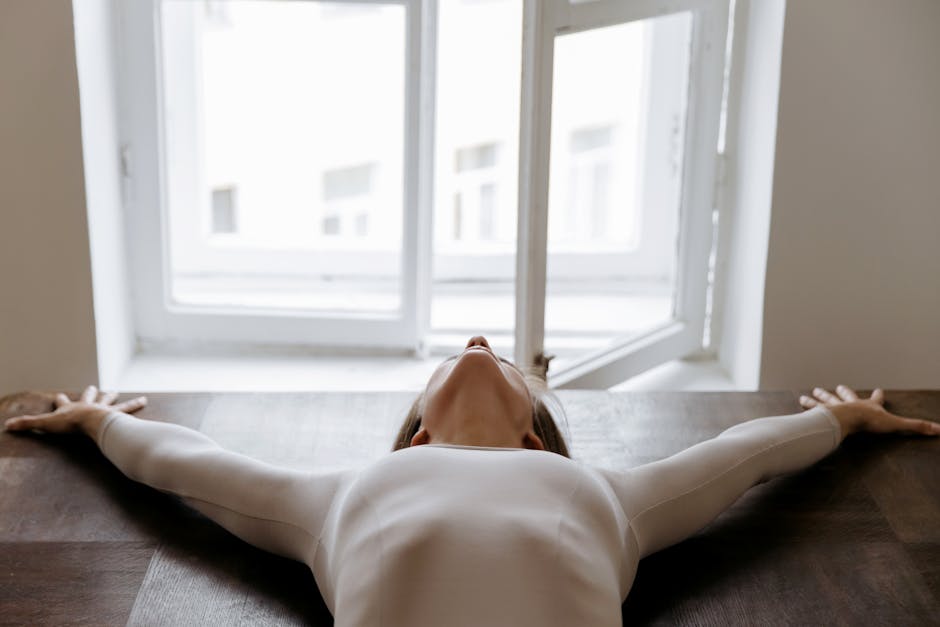
Joint-friendly yoga is designed to minimize strain on your joints while still providing the benefits of traditional yoga practices. This is especially beneficial for individuals with joint pain, arthritis, or those recovering from injuries. I’ve found it’s a lifesaver on days when my knees are acting up. According to the World Health Organization, approximately 1 in 4 adults experience some form of arthritis, making it key to adopt practices that promote health without exacerbating discomfort. That’s a lot of people! On top of that, a survey by the National Institutes of Health found that 70% of yoga practitioners reported improved joint function. Pretty impressive, right?
Gentle yoga flows can help improve flexibility, strength, and overall energy levels. By focusing on movements that are kind to your joints, you can create a sustainable practice that fits into your lifestyle. So, let’s dive into an easy follow-along yoga flow that’s perfect for regenerating your energy. I promise, you won’t regret it!
what’s an Easy Follow-Along Yoga Flow?
Before you start, make sure you’ve a comfortable space to practice, a yoga mat, and any props you might need (like blocks or straps). Remember to listen to your body and modify poses as necessary. It’s all about what feels good for you. I often use a blanket under my knees for extra support.
1. Gentle Warm-Up (5 Minutes)
Begin by sitting in a comfortable position. Take a few deep breaths, inhaling through your nose and exhaling through your mouth. This helps calm your mind and prepares your body for movement. It’s like hitting the reset button. From here, gently roll your shoulders back and forth. Then, stretch your neck side to side. I like to imagine I’m drawing circles with my nose.
2. Cat-Cow Stretch (5 Minutes)
Next, transition to all fours on your mat, aligning your wrists under your shoulders and your knees under your hips. Inhale as you arch your back (Cow Pose), and exhale as you round your spine (Cat Pose). Repeat this flow for about a minute, focusing on your breath. This movement warms up your spine and increases flexibility, all while being gentle on your joints. I think of it as a massage for my spine. Seriously, it feels amazing.
3. Child’s Pose (3 Minutes)
From all fours, sit back on your heels and stretch your arms forward, resting your forehead on the mat. Child’s Pose is a restorative pose that relaxes the back and shoulders, promoting energy regeneration. Hold this pose for a few minutes, breathing deeply as you allow your body to relax. It’s my go-to pose when I need to de-stress. I often close my eyes and just focus on my breath. Sometimes I’ll even gently rock my forehead from side to side to release any tension.
4. Downward Facing Dog (5 Minutes)
Gently rise from Child’s Pose into Downward Facing Dog. Spread your fingers wide and press your palms into the mat. Pedal your feet to stretch your calves and hamstrings. This pose invigorates your body and increases blood flow, enhancing your energy levels. It can be tough at first, but it gets easier with practice. If it’s too much, you can modify by bending your knees or shortening your stance. I sometimes imagine I’m a dog stretching after a nap!
5. Standing Forward Fold (5 Minutes)
Step your feet forward, coming into a Standing Forward Fold. Let your upper body hang heavy, bending your knees slightly if needed. This pose helps release tension in your back and legs, making it easier to regain energy. Hold for five deep breaths before rolling up to a standing position. I often feel a really good stretch in my hamstrings here. It’s important to keep your knees bent to protect your lower back. I usually picture all the stress draining out of my head and neck.
Final Poses for Energy Regeneration
Now that you’ve warmed up and moved through several poses, let’s finish with a few calming stretches to seal in the energy you’ve cultivated. It’s like putting a bow on a beautiful gift. These poses will help you feel grounded and refreshed.
6. Seated Forward Bend (5 Minutes)
Sit with your legs extended in front of you. Inhale to lengthen your spine, then exhale as you reach forward towards your toes. This pose stretches the back and hamstrings while promoting relaxation. If you can’t reach your toes, that’s totally fine! Just reach as far as you comfortably can. I use a strap sometimes to help me deepen the stretch. The key is to keep your back straight and avoid rounding your spine.
7. Gentle Spinal Twist (5 Minutes)
Sit upright and draw your right knee towards your chest, placing your foot on the outside of your left thigh. Inhale as you lengthen your spine, and exhale as you twist to the right. This helps maintain spinal flexibility and can invigorate your digestive system. Repeat on the other side. Spinal twists are super beneficial for releasing tension and improving digestion. I always feel more aligned after doing them. Remember to twist from your torso, not your neck.
8. Savasana (5-10 Minutes)
Finish your flow with Savasana, lying flat on your back with arms at your sides. Close your eyes and focus on your breath, allowing your body to absorb the benefits of your practice. This final relaxation helps to regenerate your energy and promotes a sense of calm. Savasana is basically the best part. It’s like a mini-vacation for your mind and body. I sometimes use an eye pillow to block out the light and help me relax even more. Don’t skip this part!
Understanding the Science Behind Gentle Yoga and Energy
It’s not just about feeling good; there’s real science backing up the benefits of gentle yoga for energy regeneration. When you practice yoga, you’re stimulating your parasympathetic nervous system, which is responsible for the “rest and digest” response. This helps to lower your heart rate, reduce blood pressure, and decrease levels of stress hormones like cortisol. Studies have shown that regular yoga practice can lead to significant reductions in perceived stress and improvements in mood. For example, research published in the Journal of Alternative and Complementary Medicine found that yoga can be effective in reducing fatigue and improving overall quality of life.
What’s more, gentle yoga poses can improve circulation and lymphatic drainage, which helps to remove toxins from the body and boost energy levels. The gentle movements also help to release tension in the muscles and connective tissues, which can contribute to feelings of fatigue and stiffness. By improving flexibility and range of motion, yoga can make everyday activities feel easier and less tiring. It’s all interconnected, really. When your body feels good, your mind feels good, and you’ve more energy to tackle your day.
I’ve personally experienced these benefits firsthand. Before I started incorporating gentle yoga into my routine, I often felt sluggish and drained, especially after long days at work. But now, even just a short 15-minute yoga session can make a huge difference in my energy levels and overall mood. It’s like a natural energy boost without the jitters of caffeine. Plus, it helps me sleep better at night, which further contributes to my energy levels during the day.
Tips for Making Gentle Yoga a Sustainable Habit
Okay, so you’re convinced that gentle yoga can boost your energy. That’s great! But how do you make it a sustainable habit that you can stick with long-term? Here are a few tips that have helped me:
- Start small: Don’t try to do too much too soon. Begin with just 10-15 minutes of yoga a few times a week and gradually increase the duration and frequency as you feel comfortable.
- Find a time that works for you: Whether it’s first thing in the morning, during your lunch break, or before bed, find a time that fits into your schedule and that you can consistently commit to. I personally prefer doing yoga in the morning because it sets a positive tone for the rest of the day.
- Create a dedicated space: Designate a specific area in your home for your yoga practice. This could be a corner of your bedroom, living room, or even your backyard. Having a dedicated space will help you feel more motivated to practice.
- Use props: Don’t be afraid to use props like blocks, straps, and blankets to modify poses and make them more comfortable. Props can help you deepen your stretches and prevent injuries.
- Listen to your body: This is probably the most important tip of all. Pay attention to your body and modify poses as needed. Don’t push yourself too hard, especially if you’re new to yoga. The goal is to feel good, not to injure yourself.
- Find a friend: Practicing yoga with a friend can make it more enjoyable and help you stay accountable. You can motivate each other and share your experiences.
- Be patient: It takes time to see results, so don’t get discouraged if you don’t feel a difference right away. Just keep practicing consistently and eventually you’ll start to notice improvements in your energy levels, flexibility, and overall well-being.
Honestly, making yoga a habit is tough at first, but I promise it’s worth it. The key is consistency and finding what works best for you. Don’t be afraid to experiment with different styles of yoga and different teachers until you find something that you truly enjoy.
Conclusion
This gentle yoga flow is an excellent way to regenerate your energy while being easy on your joints. By incorporating these poses into your routine, you can enhance your overall well-being and find a deeper sense of rejuvenation. Remember to listen to your body and modify poses as needed. It’s all about finding what works for you and making it a sustainable part of your life. For more information on yoga practices, check out Healthline.
You Might Also Like

