
Time Take Probiotics: Morning vs Night (Evidence + Schedules)


Quick answer: the time take probiotics depends on the strain and your stomach conditions. In practice, I tell most people to take Lactobacillus and Bifidobacterium with a meal (breakfast or dinner) to buffer stomach acid, while spore-based probiotics are usually fine any time. If you’re pairing probiotics with antibiotics, timing matters even more—space them out by a couple of hours and stay consistent.
I’ve tried “first thing in the morning” and “right before bed” myself, and honestly, the biggest difference wasn’t the clock—it was whether I took them with food and whether I remembered them daily. Put another way, consistency beats perfection. Still, there are a few timing rules that make life easier, especially if you’re dealing with bloating, IBS, or antibiotic side effects.
Also, here’s a small but real-world tip: if your probiotic makes you feel “gassy” the first week, don’t panic. Sometimes your gut just needs time to adjust. However, if you get hives, wheezing, fever, or severe abdominal pain, stop and talk to a clinician.
What does timing actually change?
Timing changes the survival rate of live microbes as they pass through your stomach and into your intestines. First, stomach acid is harsh. Plus, bile salts aren’t exactly gentle either. Therefore, the goal is either to:
- Protect the probiotic during digestion (often by taking it with food), or
- Use a strain that doesn’t care (like spore-formers that are naturally tough).
In fact, one classic reason “with meals” is suggested is that food can temporarily raise stomach pH and provide a buffer. As a result, that creates a less acidic window for sensitive strains. Meanwhile, some products are enteric-coated or microencapsulated, which also changes the equation.

Should you take probiotics with food or on an empty stomach?
If you want one simple rule you’ll actually follow: take most probiotics with a meal. In particular, with Lactobacillus and Bifidobacterium, food often improves tolerance and may improve survival through the stomach.
However, labels vary for a reason. Some strains and formulations are designed for empty-stomach use. Therefore, your first step is still reading the manufacturer directions. If the label says “with food,” do that. If it says “empty stomach,” follow it for a week and judge how you feel.
For credibility and background, the NCCIH overview on probiotics does a good job explaining that benefits are strain-specific and condition-specific. Similarly, the NIDDK probiotic page is a solid, plain-language read. For additional clinical context, you can also review guidance from the CDC on antibiotic use. Plus, the FDA dietary supplement overview is helpful if you want to understand labeling and quality basics.
Morning vs night: which is better for different strain types?
Here’s how I think about it in everyday terms: morning is great for habit-building, and night is great if you’ve already got a “brush teeth, supplements, bed” routine. Specifically, what matters most is strain type and your goal.
Lactobacillus: usually best with breakfast or dinner
Lactobacillus strains are common for bloating and general gut support. They’re often more sensitive to acid than spore-formers. Therefore, I usually suggest taking them with a meal. Morning with breakfast works if you’ll remember it. Otherwise, dinner works if you forget mornings.
Bifidobacterium: often best with dinner (or any meal)
Bifidobacterium species tend to live in the colon and are frequently used in IBS-focused blends. Many people tolerate them best with food. Interestingly, some folks report less daytime “adjustment gas” when they take them with dinner. That’s anecdotal, but I’ve seen it enough to mention.
Spore-based (Bacillus species): flexible timing
Spore-based probiotics (often Bacillus species) are built to survive tough environments. As a result, they’re generally less fussy about timing. You can take them morning or night. Still, I prefer tying them to a meal so you don’t miss doses.
Practical schedules: bloating, antibiotics, and IBS
Most people don’t need a fancy plan. Instead, you need one you’ll do on autopilot. So below are schedules I’ve used personally and suggested to friends and family—simple, repeatable, and easy to tweak.
If your main goal is less bloating
- Option A (easy): probiotic with breakfast every day.
- Option B (gentler start): probiotic with dinner for 7–10 days, then switch to breakfast if preferred.
And, start low if your product allows it (for example, half a capsule). Then increase after a week. That one move prevents a lot of “I quit after three days” stories.
If you’re taking antibiotics (support plan)
- Take your antibiotic as prescribed.
- Take your probiotic 2–3 hours after the antibiotic dose.
- Continue it for 1–2 weeks after finishing antibiotics.
Why the spacing? Because an antibiotic can reduce some strains if you take them together. Therefore, spacing gives your supplement a better shot. Notably, antibiotic-associated diarrhea is common; a global estimate suggests it affects about 1 in 5 people on antibiotics (roughly 20%). Source: NCBI Bookshelf (StatPearls) on antibiotic-associated diarrhea. What’s more, research from the World Health Organization (WHO) notes that inappropriate antibiotic use remains widespread; a 2023 WHO survey reported that up to 57% of respondents incorrectly believed antibiotics work for colds and flu (a viral illness), which can increase unnecessary exposure. Finally, according to a 2024 study by the CDC, about 28% of outpatient antibiotic prescriptions in the U.S. were unnecessary in reviewed settings, underscoring why avoiding extra courses matters (source: CDC antibiotic stewardship reporting).
If you’ve IBS-type symptoms
- Week 1: take the probiotic with dinner.
- Week 2–4: continue with dinner, or move to breakfast if your symptoms are calmer.
- Track: stool frequency, pain, and bloating twice per week (don’t over-monitor daily).
IBS is common, and you’re not imagining it. Estimates vary by criteria and region, but IBS prevalence is often reported around ~10% of the population. Source: Gastroenterology (global prevalence estimates). Also, according to a 2024 survey by the American Gastroenterological Association, about 40% of people with ongoing digestive symptoms reported delaying care due to uncertainty about what’s “normal,” which is why tracking and follow-up can matter.
One more honest note: if your IBS symptoms swing wildly, probiotics can help some people and annoy others. That’s why I recommend a 4-week trial with one product, not three products in one week. Otherwise, you’ll never know what worked.
What about “right before bed” probiotics?
Nighttime can be a great choice if it helps you stay consistent. Also, dinner-time dosing often means you’re taking probiotics with food, which many people tolerate better.
However, if you’re prone to reflux, taking anything right before lying down can backfire. In that case, take it with dinner rather than at bedtime. Similarly, if your probiotic includes prebiotics (like inulin), bedtime might increase overnight gas for some people.
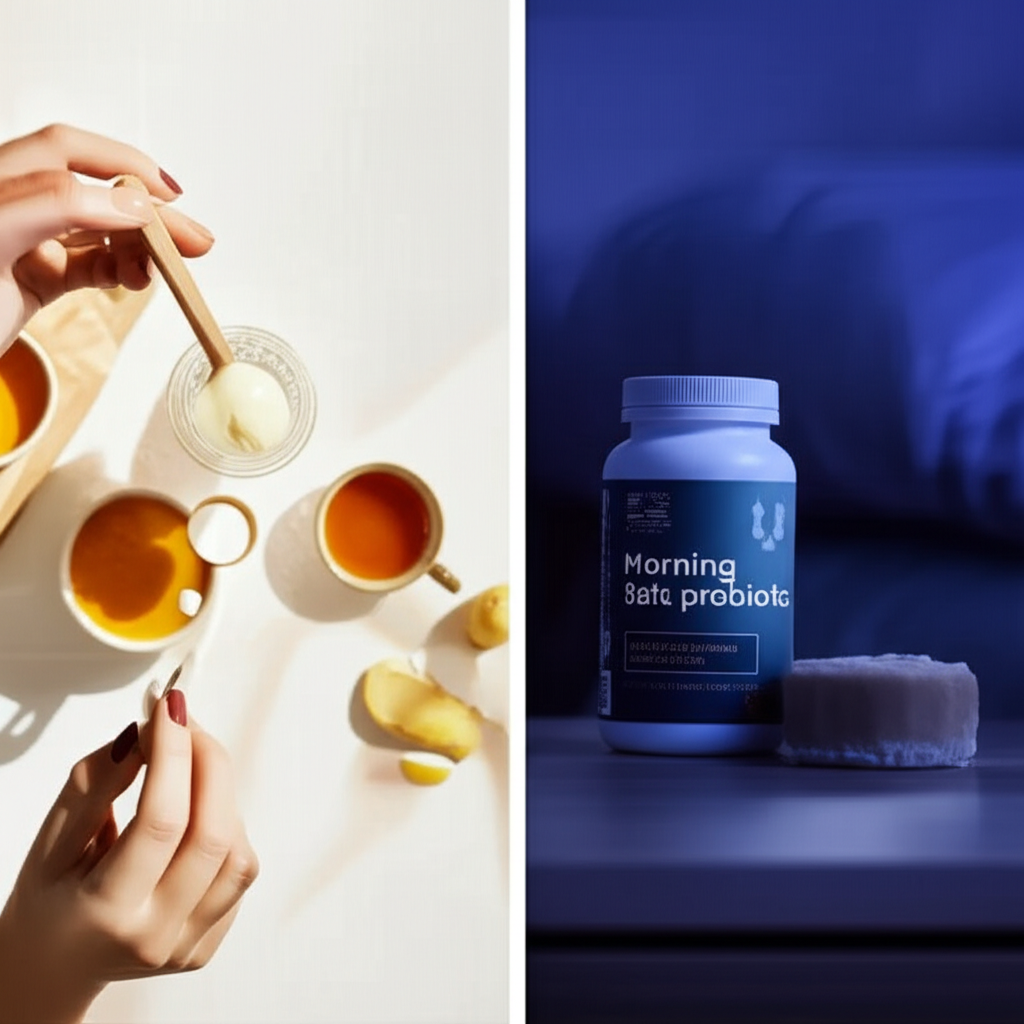
My “set it and forget it” routine (the one people actually keep)
If you’re overwhelmed, do this: pick one meal you eat almost every day and attach your probiotic to it. For most people, that’s breakfast or dinner. Then set a reminder for 10 days. After that, you won’t need it.
I’ve watched friends buy premium probiotics and then take them three times a week. That’s basically lighting money on fire. Meanwhile, the person taking a simple, decent product daily often does better. Once again, consistency wins.
If you’re also shopping for general wellness basics, I often see people pair gut support with a straightforward daily multi (that Amazon “Best Daily Vitamin Supplements” list can be a decent starting point for browsing). Just don’t take a high-iron multi unless you actually need iron.
Safety tips (and when to talk to a clinician)
For most healthy adults, probiotics are considered low risk. Still, “low risk” isn’t “no risk.” So here’s my no-nonsense checklist.
- Start slow if you’re sensitive: half dose for a week if possible.
- Stop if you get rash, swelling, trouble breathing, or high fever.
- Be cautious if you’re immunocompromised, have a central line, or are critically ill.
- Ask first if you’re pregnant, managing complex autoimmune disease, or have short bowel syndrome.
Also, if your symptoms include blood in stool, unexplained weight loss, persistent vomiting, or severe nighttime pain, don’t “trial-and-error” supplements. Instead, get evaluated. That’s not me being dramatic—that’s just smart.
Summary: the simplest way to choose morning vs night
If you want the clean takeaway: choose a time you’ll remember, preferably with a meal, unless your label says otherwise. For example, use dinner if you want gentler adjustment, and use breakfast if you love routine. Spore-based options are flexible. Finally, if you’re on antibiotics, spacing doses by a few hours is worth doing.
[content-egg-block template=offers_list]
You Might Also Like

