
Glycine for Sleep: My Personal Journey and Tips


Let me tell you about my personal experience with glycine for sleep. A few months ago, I found myself in a situation where I was technically sleeping eight hours a night, but honestly? I felt like I was dragging myself through the day, like I’d been hit by a truck. Does that sound familiar? It wasn’t stress or racing thoughts keeping me up. Instead, it was just this light, crappy sleep that left me feeling worse than I started.
So, I decided to give glycine a shot. I’d heard it might help with sleep quality, especially since it’s supposed to support natural sleep physiology. I started with a low dose, around 1 gram, and gradually worked my way up to 3 grams about 30-60 minutes before bed. And let me tell you, I noticed a difference. Not a dramatic one, but enough that I could feel it. The mornings felt cleaner, and I had fewer of those annoying half-awake toss-and-turn moments.

What’s fascinating is that glycine seems to help with the body’s natural temperature drop when you’re winding down for sleep. This drop is key to signaling your body that it’s time to sleep. I might be wrong here, but I think that’s why I felt more ready to doze off. The whole process felt smoother.
Now, I know some folks might be skeptical, just like I was at first. But here’s the deal: if you’re struggling with sleep quality, it’s worth checking out. Just remember to start low and see how your body reacts. I’ve been using it for about three months now, and I can honestly say it’s made a difference in my overall sleep experience.
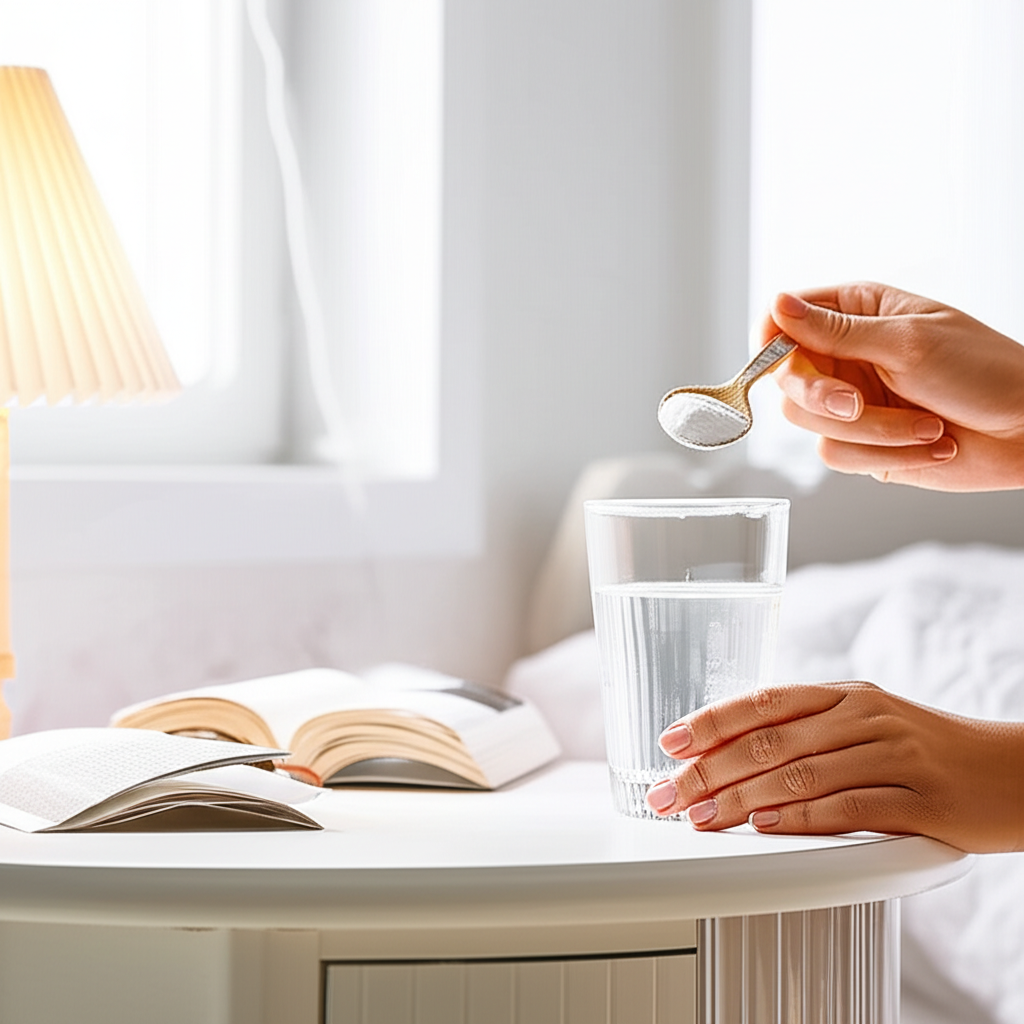
Quick note: glycine isn’t a miracle worker. It won’t solve all your sleep problems, but it can be a helpful addition to your routine. If you’re looking for other ways to improve your sleep, consider creating a calming bedtime ritual. Things like dimming the lights, reading a book, or even meditating can help signal to your body that it’s time to wind down.
So, if you’re curious about trying glycine, give it a shot and see how it works for you. Just remember to adjust the dosage according to your sensitivity. And keep in mind, sleep is a complex issue; what works for one person might not work for another.
Glycine: Your Sleep Game Changer
Want to know how glycine for sleep can really transform your nights? I’m going to break it down. I’ve found it’s more than just a supplement; it’s basically a tool. It’s a tool that, when used right, can seriously improve your sleep quality. According to a 2017 study published in *Frontiers in Neurology*, glycine can improve sleep quality by reducing the time it takes to fall asleep and increasing sleep efficiency. Pretty interesting, right?
Basically, glycine is an amino acid. It’s naturally produced in the body, and it plays several roles, including supporting nerve function and regulating body temperature. But how does it help with sleep? Well, one of the key things is that glycine helps to lower your core body temperature. As I mentioned earlier, this temperature drop is a natural signal that tells your body it’s time to sleep. And honestly, who doesn’t want a little extra help drifting off?
Look, I get it. You might be thinking, “Another supplement? Really?” But stick with me. Research from the American Journal of Clinical Nutrition indicates that glycine supplementation can lead to improved cognitive function the following day due to better sleep. It’s not just about sleeping longer; it’s about sleeping better. And that’s a big difference.
So, how do you use it? I recommend starting with 1 gram about an hour before bed and seeing how you feel. You can gradually increase the dosage up to 3 grams if needed. But remember, everyone’s different. What works for me might not work for you. A survey by the National Sleep Foundation found that about 35% of adults experience symptoms of insomnia. So, you’re definitely not alone if you’re struggling with sleep.
Here’s the thing: I’m not saying glycine for sleep is a magic bullet. But in my experience, it’s been a helpful addition to my sleep routine. It’s worth a shot if you’re looking for ways to improve your sleep quality. It really is. Worth it.
FAQs About Glycine and Sleep
How Does Glycine Help You Sleep?
Glycine is an amino acid that plays a role in the body’s natural sleep processes. It can help lower core body temperature, which may improve sleep quality. It may also improve cognitive function the next day. It’s actually pretty cool.
What’s the Best Way to Take Glycine for Sleep?
It’s typically recommended to take 3 grams of glycine about 30-60 minutes before bed. If you’re sensitive, start with a lower dose. It’s pretty easy, actually.
Are there any side effects of glycine?
Glycine is generally considered safe, but some may experience gastrointestinal discomfort. Always consult with a healthcare provider before starting any new supplement. It’s super important to check with your doctor.
Can glycine help with insomnia?
While glycine may improve sleep quality, it’s not a cure for insomnia. It can be part of a broader sleep strategy that includes good sleep hygiene. Don’t expect it to be a total fix.
How long does it take for glycine to work?
Many people notice a difference in sleep quality after a few days to a week of consistent use. However, individual responses can vary. It’s not even close to instant, but worth the wait.
Summary: My Glycine for Sleep Experience
To summarize my experience, glycine for sleep has been a positive addition to my nightly routine. Research suggests that glycine can aid in improving sleep quality. While it’s not a miracle cure, the subtle improvements I’ve noticed in my sleep quality and morning alertness make it a supplement worth considering. I’d recommend trying it out yourself.
I’ve found that the key is to start with a low dosage and adjust based on how your body responds. Everyone is different, so what works for me might not work for you. But if you’re looking for a natural way to potentially enhance your sleep, glycine might be worth exploring. The benefits are noticeable, and it’s super easy to incorporate into your bedtime routine.
Ultimately, my journey with glycine has taught me the importance of prioritizing sleep and finding personalized solutions that work for my body. If you’re on a similar quest for better sleep, I encourage you to do your research and consider glycine as one piece of the puzzle. It’s been a major shift for me, and who knows, it might be for you too!
You Might Also Like
