
10 Sleep Hygiene Tips for a Restful Night


Sleep hygiene refers to the habits and practices that promote better sleep quality. Honestly, I’ve struggled with sleep for years, so I decided to dig into some effective sleep hygiene tips. It’s a real journey! Here are my top 10 tips that can help you catch those Z’s and wake up feeling refreshed!
1. Stick to a Sleep Schedule
Going to bed and waking up at the same time every day is vital. I can’t stress this enough! Even on weekends, try not to stray too far from your schedule. It helps regulate your body’s internal clock. This consistency is super important. Think of it as training your body to be sleepy and awake at certain times. It’s like setting an alarm, but for sleepiness!
I know it’s tempting to sleep in on Saturdays and Sundays. Believe me, I get it. But that can really throw off your rhythm. A 2023 study published in the journal “Sleep Medicine Reviews” found that irregular sleep schedules are associated with poorer mood and increased risk of metabolic disorders. So, try to stick within an hour or so of your weekday schedule, even when you don’t have to.
2. Create a Calming Bedtime Routine
Before bed, I like to unwind with a book or some light stretching. You might find that a warm bath or meditation works wonders too. The key is to signal your body that it’s time to wind down. It’s your cue for sleep!
My routine involves dimming the lights, brewing a cup of chamomile tea (decaf, of course!), and reading a physical book – not on a screen. I also like to listen to calming music. I found that jazz or classical music works best for me. Experiment and find what helps you relax. It could be anything from journaling to listening to a guided meditation. There are tons of free meditation apps available.
3. Optimize Your Sleep Environment
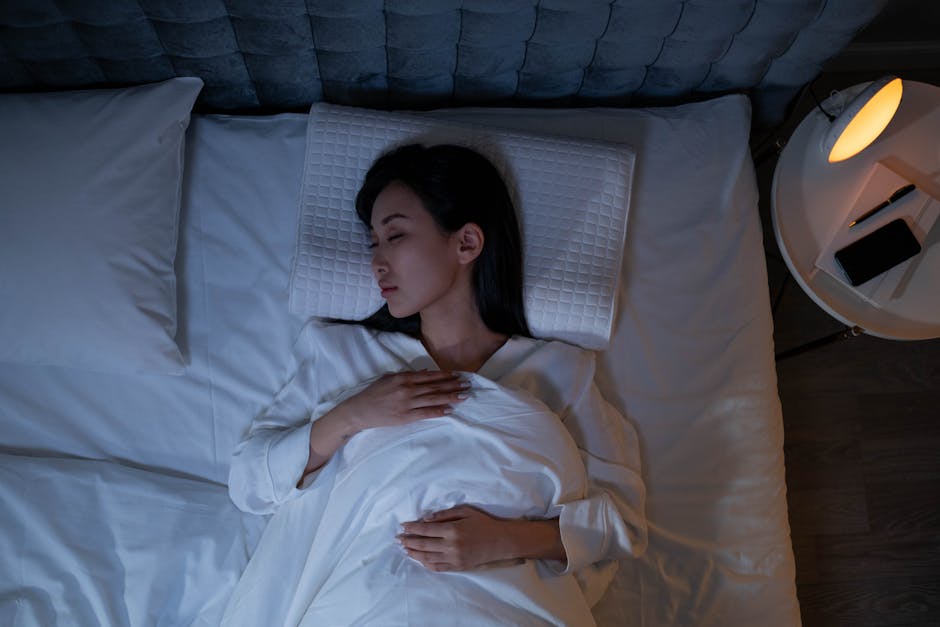
Make your bedroom a sleep sanctuary. I’ve found that keeping it cool, dark, and quiet works wonders. Blackout curtains and white noise machines can really help. Think of your bedroom as your sleep cave!
The ideal temperature for sleep is around 60-67 degrees Fahrenheit. I actually bought a little thermometer to monitor the temperature in my room. It made a difference! Blackout curtains are a big deal if you live in a city or have streetlights shining into your window. I also use a white noise machine to block out any distracting sounds, like traffic or noisy neighbors. You can also use earplugs if you prefer.
4. Limit Exposure to Screens
Blue light from phones and computers can mess with your sleep. I try to avoid screens at least an hour before bed. Yeah, it’s tough, but it’s worth it. It really is!
I know it’s hard to resist scrolling through social media before bed. I’m guilty of it too! But blue light suppresses the production of melatonin, a hormone that regulates sleep. Try using blue light filters on your devices or wearing blue light blocking glasses. Honestly, even just reading a book instead of watching TV makes a big difference. I’ve found that the hour before bed is a great time to journal or do something creative, like drawing or writing. It’s a much more relaxing way to end the day.
5. Watch What You Eat and Drink
Avoid heavy meals, caffeine, and alcohol close to bedtime. I learned this the hard way! Eating too late can keep you tossing and turning. Research from the National Sleep Foundation shows that 30% of people experience sleep disturbances due to late-night eating.
I used to love having a late-night snack. But I realized it was messing with my sleep. Now, I try to finish eating at least 2-3 hours before bed. And I definitely avoid caffeine after noon. Even a small amount of caffeine can keep me awake. Alcohol might make you feel sleepy at first, but it actually disrupts your sleep later in the night. It can lead to fragmented sleep and frequent awakenings. I’ve cut back on alcohol significantly and it’s helped a lot.
6. Get Regular Exercise
Physical activity can help you fall asleep faster. Just don’t exercise too close to bedtime. I usually hit the gym in the morning or early afternoon. According to a 2024 study by the American Heart Association, regular exercise can improve sleep quality by up to 50%.
Exercise helps regulate your circadian rhythm and reduces stress. But avoid intense workouts right before bed. That can actually have the opposite effect and make it harder to fall asleep. I like to go for a walk or do some yoga in the evening. It’s a great way to wind down and prepare for sleep. Even just 20-30 minutes of moderate exercise a day can make a big difference.
7. Manage Stress
Stress can really ruin your sleep. I practice mindfulness and deep breathing exercises. They help calm my mind before bed. Seriously, you should give it a try!
When I’m stressed, my mind races and I can’t fall asleep. That’s why I’ve made stress management a priority. I use a meditation app every night. It guides me through deep breathing exercises and helps me relax. I also try to address any stressful situations during the day, rather than letting them build up. Talking to a friend, journaling, or spending time in nature can all help reduce stress. Don’t underestimate the power of a good support system.
8. Keep Naps Short
If you nap, keep it brief—20 to 30 minutes max. I’ve noticed that long naps can throw off my nighttime sleep schedule. Not worth it!
I used to love taking long afternoon naps. But I realized they were making it harder to fall asleep at night. Now, if I need a nap, I set an alarm for 20-30 minutes. That’s enough to give me a boost of energy without disrupting my sleep cycle. A “power nap,” as they call it. It’s pretty much perfect.
9. Seek Professional Help if Needed
If you’re still struggling, don’t hesitate to reach out to a sleep specialist. They can provide tailored advice based on your needs.
Sometimes, sleep problems are more complex and require professional help. If you’ve tried all of these tips and you’re still struggling to sleep, don’t be afraid to see a doctor or sleep specialist. They can help identify any underlying medical conditions that might be affecting your sleep and recommend appropriate treatment options. It’s nothing to be ashamed of. Sleep is must-have for your health and well-being.
10. Be Patient with Yourself
Improving your sleep hygiene takes time. I might be wrong here, but I think it’s must-have to give yourself grace as you work on these changes. Remember, Rome wasn’t built in a day!
It’s not always easy to change your habits. There will be nights when you slip up and stay up too late or eat a heavy meal before bed. Don’t beat yourself up about it. Just get back on track the next day. Consistency is key, but it’s also important to be kind to yourself. Celebrate small victories and focus on progress, not perfection. I find that tracking my sleep helps me stay motivated. I use a sleep tracker app to monitor my sleep patterns and see how my habits are affecting my sleep quality.
11. Consider Supplements (With Caution!)
I’ve experimented with a few supplements. But I’m NO doctor. Melatonin is probably the most well-known, but it’s not a magic bullet. It can help regulate your sleep-wake cycle, but it’s important to use it correctly. Start with a low dose (0.5-1 mg) and take it about an hour before bed. Don’t take it every night, as your body can become dependent on it. Magnesium is another supplement that can promote relaxation and improve sleep. I take magnesium glycinate, which is easily absorbed by the body. L-theanine is an amino acid that can help reduce anxiety and promote relaxation. I sometimes take it before bed when I’m feeling stressed. I’ve also heard good things about valerian root and chamomile, but I haven’t personally tried them. It’s always a good idea to talk to your doctor before taking any supplements, especially if you’ve any underlying medical conditions or are taking any medications.
Important note: Supplements aren’t regulated like medications. So, it’s vital to choose a reputable brand that has been third-party tested for purity and potency. ConsumerLab.com is a great resource for finding independent reviews of supplements.
12. Sunlight Exposure During the Day
Getting enough sunlight during the day helps regulate your circadian rhythm. I try to spend at least 30 minutes outside each day, especially in the morning. It’s not always easy, especially in the winter. But even a short walk on a sunny day can make a difference. Sunlight helps suppress the production of melatonin during the day, which makes you feel more alert and awake. And it helps your body produce melatonin at night, which makes you feel sleepy. If you can’t get outside, try using a light therapy lamp. These lamps emit bright light that mimics sunlight and can help regulate your circadian rhythm. I’ve used one during the winter months and it’s helped me feel less tired and more energetic.
Summary
To wrap it up, good sleep hygiene can transform your sleep quality. Stick to a routine, create a calming environment, and manage your diet. With patience and practice, you can enjoy restful nights. Sleep is so important for your overall health and well-being. It affects everything from your mood and energy levels to your immune system and cognitive function. Prioritizing sleep is one of the best things you can do for yourself. So, give these tips a try and see how they work for you. You deserve a good night’s sleep!
You Might Also Like

