
Protein Timing for Night Shifts: Meals for Energy & Better Sleep


Protein timing is simply planning when you eat protein across your night shift so your energy stays steady and you’re not starving at 3 a.m. For most people, the sweet spot is a protein hit before the shift, another mid-shift, and a lighter, protein-forward snack after work so you can actually sleep. I’ve used this with nurses, warehouse folks, and (honestly) my own late-night writing sprints, and it’s one of the fastest ways to cut cravings and stop that “wired but tired” feeling.
Here’s the thing: night work messes with appetite hormones and your body clock. However, you can’t “biohack” your way out of a brutal schedule with willpower alone. Instead, you need a plan that’s easy at 1 a.m., doesn’t wreck your stomach, and won’t keep you awake after clock-out. Therefore, this post gives you protein timing schedules for 8- and 12-hour shifts, grab-and-go options, and the mistakes I see over and over (plus fixes that don’t require cooking a gourmet meal at midnight).
One quick note before we get tactical: protein isn’t magic, but it’s ridiculously useful at night. For example, it helps with fullness and steadier blood sugar. Plus, it’s easier to control calories when you’re not grazing on vending-machine chaos. Interestingly, research shows high-protein diets tend to reduce hunger and support fat loss by improving satiety and thermogenesis (in normal human terms: you feel fuller, and your body burns a bit more digesting it) (NIH/NCBI review).
Meanwhile, shift work itself links to higher cardiometabolic risk. For example, a large meta-analysis found shift work is associated with increased risk of cardiovascular events (BMJ). Still, that doesn’t mean your job dooms you. Instead, it means your food and sleep routines matter more than you wish they did.
According to a 2024 CDC report on U.S. sleep patterns, about 1 in 3 adults (≈33%) don’t get enough sleep on a regular basis (CDC). And, a 2023 survey by the National Sleep Foundation found that over 40% of shift workers report sleep difficulties on workdays (National Sleep Foundation). Finally, according to a 2024 survey by the International Food Information Council (IFIC), 71% of Americans say they’re trying to get more protein in their diets (IFIC). Because nights stack the deck against you, a simple eating schedule can do a lot of heavy lifting.
What protein timing looks like on a night shift (the simple rule)
If you only remember one thing, remember this: front-load and pace your protein. Specifically, aim for 25–40g at your “pre-shift meal,” then 20–35g mid-shift, then 10–25g after your shift (light enough to sleep). That pacing keeps you from arriving hungry, crashing later, and then eating a heavy breakfast right before bed.
And, try to pair protein with fiber (fruit, oats, veg, beans) or a little fat (nuts, olive oil, avocado). As a result, you’ll stay satisfied longer. However, keep greasy foods and huge portions away from the last couple hours of the shift if sleep’s your priority.
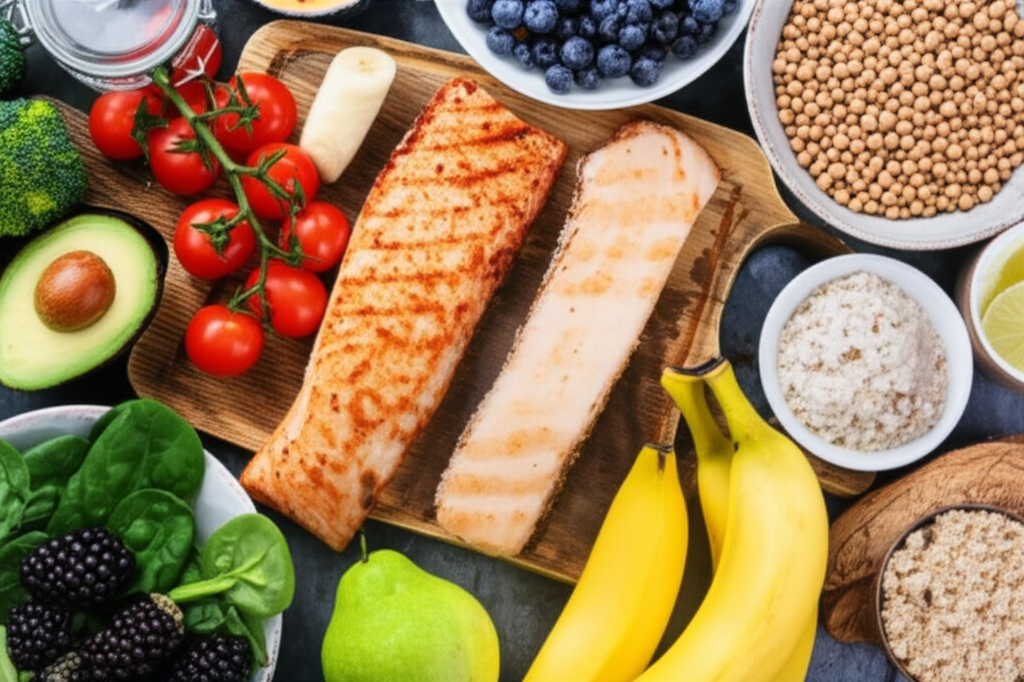
How much protein do you actually need for nights?
This depends on your size, activity, and goals. Still, a practical range for many adults is roughly 1.2–1.6 g/kg/day if you’re active or trying to manage hunger (it’s not a medical prescription—it’s just a useful working range I’ve seen work in the real world). For a 70 kg person (154 lb), that’s about 84–112g per day.
Notably, protein quality matters less than consistency for most shift workers. If you can hit your daily target with foods you’ll actually eat at 2 a.m., you’re winning. For example, Greek yogurt, eggs, tuna packs, cottage cheese, chicken thighs, tofu, lentils, and protein shakes all do the job.
Protein timing schedule for an 8-hour night shift (sample)
Let’s say your shift is 11 p.m. to 7 a.m. Adjust the times, but keep the spacing. First, eat a real meal before you leave. Next, build one solid break meal and one snack. Finally, keep the post-shift bite small.
10:00 p.m. — Pre-shift meal (30–40g protein)
- Chicken rice bowl: chicken + rice + veggies + salsa
- Or: tofu stir-fry with frozen veg and microwave rice
- Or: 3 eggs + egg whites + toast + fruit
2:00 a.m. — Break meal (25–35g protein)
- Greek yogurt + berries + granola (watch sugar) + a handful of nuts
- Turkey wrap + baby carrots
- Leftovers: chili, lentil soup, or curry (easy reheat)
5:00 a.m. — Snack (15–25g protein)
- Cottage cheese cup + pineapple
- Protein shake + banana
- Tuna packet + crackers + cucumber slices
7:30 a.m. — Post-shift “sleep snack” (10–20g protein)
- Warm milk or soy milk + a small protein bar
- Small bowl of oatmeal with whey mixed in (not a giant bowl)
- Half a turkey sandwich
Why the small post-shift snack? Because a heavy meal right before bed can trigger reflux, raise body temperature, and keep you tossing around. Therefore, keep it light and boring. In other words, boring’s good when you’re trying to sleep.
Protein timing schedule for a 12-hour night shift (sample)
Now for the big one. If you’re working 7 p.m. to 7 a.m., you need more structure because there’s more time for “accidental snacking.” I’ve watched people do great for six hours and then unravel at 4 a.m. with chips and energy drinks. Honestly, it happens.
6:00 p.m. — Pre-shift meal (35–45g protein)
- Salmon (or canned salmon patties) + potatoes + salad
- Lean beef or turkey pasta with veggies
- Big bean bowl: black beans + rice + cheese + avocado + pico
10:00 p.m. — Snack (15–25g protein)
- Hard-boiled eggs (2–3) + fruit
- Edamame + string cheese
- Skyr/Greek yogurt
1:00 a.m. — Break meal (25–35g protein)
- Chicken soup + whole-grain roll
- Meal-prep burrito bowl (beans + meat/tofu + veg)
- Turkey chili with crackers
4:30 a.m. — “Danger zone” snack (20–30g protein)
- Protein shake + oatmeal packet
- Cottage cheese + berries
- Jerky + a small yogurt (watch sodium if you’re sensitive)
7:30 a.m. — Post-shift snack (10–20g protein)
- Small smoothie: milk/soy milk + protein + frozen berries
- Toast + peanut butter + a glass of milk
Also, plan your caffeine like it’s part of the schedule. I’ll get into that in a minute, because caffeine timing can sabotage your sleep even when your food’s perfect.
What are easy high-protein options that won’t feel gross at 3 a.m.?
I’m not here to shame anyone for microwave food. Night shift survival is about repeatable options. Therefore, I like foods that are packable, fast, and not super greasy.
- Greek yogurt or skyr: high protein, zero prep. Add fruit for fiber.
- Cottage cheese: weirdly underrated. Try it with berries or cherry tomatoes.
- Protein shake: especially if you can’t stomach solid food. A basic whey isolate mixes quickly.
- Rotisserie chicken: easiest “meal prep” on Earth. Pair with bagged salad.
- Egg bites: homemade or store-bought. They reheat well.
- Tofu or tempeh: great cold in salads, or warm in stir-fries.
- Tuna/salmon packets: no fridge needed for the shift, usually.
One Amazon item I’ve seen people stick with is a daily vitamin supplement, mainly because night shifters often miss daylight and consistent meals. Is it a replacement for food? Nope—you already know that. However, if your diet’s patchy during a rough stretch of shifts, a basic daily can be a sensible backstop (talk to your clinician if you’re on meds or pregnant, of course). For supplement basics, you can also cross-check guidance from the NIH Office of Dietary Supplements. And, the CDC/NIOSH shift work resources offer practical safety and scheduling context.
Common night-shift mistakes (and fixes that actually work)
I’ve made most of these mistakes myself, especially the caffeine one. So if you’re doing any of them, you’re not “failing.” You’re just normal.
Mistake #1: Saving most of your calories for the end of the shift
Why it backfires: you get hungrier later, cravings spike, and you tend to eat fast, salty, and large. Because of this, sleep suffers.
Fix: eat a real pre-shift meal with 30–40g protein. Then, schedule one mid-shift meal. If you need to, set alarms. It feels silly, but it works.
Mistake #2: Too much caffeine (or caffeine too late)
Why it backfires: caffeine can stick around longer than you think. In fact, caffeine’s half-life is often cited around 5 hours in adults, meaning a 4 a.m. coffee can still be “alive” at 9 a.m. (Sleep Foundation).
Fix: pick a caffeine cutoff that’s about 6–8 hours before your intended sleep time. Also, swap the “last coffee” for water, herbal tea, or even a short walk if your workplace allows it.
Mistake #3: Eating a heavy, greasy meal right before bed
Why it backfires: reflux, a racing stomach, and poor sleep quality. Also, big meals can raise core temperature, which makes falling asleep harder.
Fix: keep the post-shift snack small and protein-forward (10–20g). If you need carbs to relax, add a modest portion like oats or toast.
Mistake #4: Only eating “snack foods” all night
Why it backfires: you never feel satisfied, so you keep picking. On top of that, snack foods are often low-protein and high-salt.
Fix: pack one real meal. Even a basic chicken-and-rice container changes the whole night.
Mistake #5: Not drinking enough water
Why it backfires: dehydration can feel like hunger. Therefore, you snack when you actually need fluids.
Fix: bring a large bottle and set “drink checkpoints” (start of shift, mid-shift, last two hours). Add electrolytes if your job’s sweaty and active.
How to support post-shift sleep with food (without overthinking it)
After a night shift, your goal is to signal “downshift” to your body. Food can help, but only if you keep it gentle. First, dim lights and avoid scrolling if you can. Next, do a small snack if you’re hungry. Finally, get your room cold and dark.
For the snack, I like a protein + easy carb combo. For example, milk + toast, yogurt + fruit, or a small smoothie. On top of that, magnesium-rich foods (nuts, seeds, leafy greens) can fit into your earlier meals, but I wouldn’t slam a giant “health bowl” right before bed. Trust me, your stomach will complain.
If your sleep’s consistently awful, don’t ignore it. Shift Work Sleep Disorder is real, and it’s worth discussing with a healthcare professional. For more background, the American Academy of Sleep Medicine has solid info on circadian rhythm issues and shift work (AASM). Also, you can review general sleep recommendations from the Sleep Foundation’s sleep hygiene guide.
My quick “pack list” for night shifts (so you don’t get stuck)
If you want the easiest version of this approach, pack these three things and you’ll be ahead of most people:
- 1 pre-shift meal (or a plan to eat at home before leaving)
- 1 mid-shift meal (leftovers, soup, bowl, wrap)
- 2 protein snacks (yogurt, shake, eggs, tuna packet)
Besides food, bring water and something for light exposure control. A cheap sleep mask and earplugs can be lifesavers. Also, keep a “no decision” breakfast option at home for after the shift, so you don’t start cooking a full meal when you should be winding down.
Summary
Protein timing for nights is about spacing protein across the shift so you feel steady, not starving. Specifically, eat a real pre-shift meal, schedule a mid-shift protein meal, and keep the post-shift snack light to protect sleep. Also, cut off caffeine early enough, avoid heavy greasy meals near bedtime, and pack simple high-protein foods you’ll actually eat at 3 a.m.
[content-egg-block template=offers_list]
Frequently Asked Questions
How does protein timing help night-shift energy?
Protein timing helps by spreading protein across your shift, which improves satiety and supports steadier blood sugar. As a result, you’re less likely to crash and reach for sugary snacks. Aim for a protein-rich meal before work, one mid-shift, and a smaller protein snack after.
What’s the best post-shift meal if I’m trying to sleep?
Keep it small and easy to digest: 10–20g protein plus a modest carb. For example, yogurt with fruit, milk with toast, or a small smoothie. Meanwhile, heavy, greasy meals right before bed can worsen reflux and raise body temperature, which often makes sleep harder.
How late should I stop caffeine on night shifts?
A practical rule is to stop caffeine about 6–8 hours before your planned sleep time. Because caffeine can linger for hours, a drink late in the shift may still be active when you’re trying to fall asleep. If you’re fading, try water and a quick movement break instead.
What are easy high-protein snacks to bring to a night shift?
Good options include Greek yogurt, cottage cheese, protein shakes, hard-boiled eggs, tuna or salmon packets, edamame, and jerky. Pair them with fruit or veggies for fiber. Above all, choose foods you can eat quickly and that won’t feel heavy if your stomach’s sensitive overnight.
Should night-shift workers eat more protein than day workers?
Not automatically, but many night-shift workers benefit from slightly higher protein because it helps control hunger and reduces random snacking. A common active range is around 1.2–1.6 g/kg/day, depending on goals and activity. If you’ve got kidney disease or special conditions, ask a clinician first.
You Might Also Like

