
Saffron Appetite Control: Dosage, Timing, Safety, and What Research Says


Saffron appetite control is mostly about two things: calming “mood snacking” and slightly taking the edge off cravings, especially in the late afternoon and evening. In practice, it may help some people eat fewer snacks and feel more emotionally steady around food. Because of that, it’s often discussed for appetite management. If you’re considering it, the sweet spot in studies is usually a standardized saffron extract taken daily for 8–12 weeks, with common safety limits and a few important interactions to keep in mind.
I first got curious about saffron after watching a friend who’s a classic “stress snacker” swear that her cravings felt quieter on days she took it. Was it magic? No. However, it was noticeable enough that I went digging into the research (and the fine print on supplement labels). What I found is simple: it isn’t a replacement for protein, sleep, and habits, but it can be a helpful nudge for the right person.
Before we get nerdy, here’s one quick real-world tip: if your cravings are driven by low iron, low sleep, or “I skipped lunch and now I’m feral,” saffron won’t fix that. Still, if you’re already covering the basics and your snacking is tied to mood, stress, or that restless “I want something” feeling, it might be worth a structured trial.
What does research say about saffron appetite control?
Most of the interest in saffron comes from trials using standardized saffron extracts that looked at snacking behavior, appetite sensations, and mood. Interestingly, the strongest theme isn’t “you’ll feel full after two bites.” Instead, cravings and impulsive snacking may ease for some people. In other words, saffron’s compounds (like crocins and safranal) might influence neurotransmitters involved in mood and reward.
For example, a few human studies (often small) have reported reductions in snacking frequency and modest weight-related changes when people took saffron extract consistently. Also, saffron has been studied for mood support, and mood and appetite are basically cousins—when one swings, the other often follows. If you want a trustworthy overview of saffron’s studied uses and safety basics, the National Center for Complementary and Integrative Health (NCCIH) is a good starting point. For extra context on evidence quality across supplements, you can also browse the NIH Office of Dietary Supplements.
According to a 2024 CDC update, 41.9% of U.S. adults had obesity (2017–March 2020). Therefore, any craving tool should stay realistic and sustainable. Research from JAMA also shows 57.6% of U.S. adults used dietary supplements in the prior 30 days (2017–2018). Finally, a 2024 analysis in The BMJ reports ultra-processed foods provided 57% of U.S. adults’ energy intake, which can drive cravings regardless of supplements.
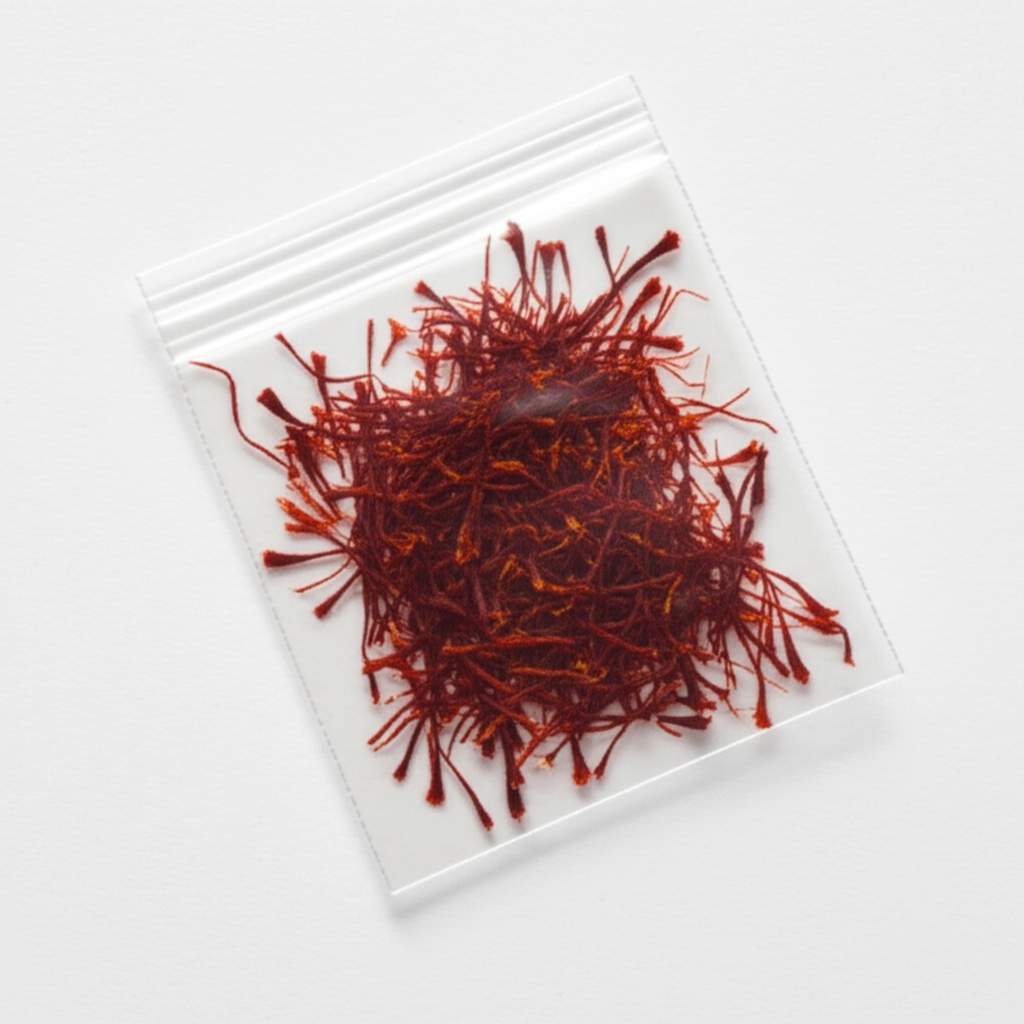
Now, let’s be real: the evidence looks promising, but it isn’t bulletproof. Sample sizes are often limited, and supplement quality varies a lot. Therefore, treat it like a “test and measure” tool rather than a guaranteed result.
who’s most likely to benefit from this?
In my experience reading the studies (and talking to people who’ve tried it), this approach tends to make the most sense for a specific profile:
- Stress or mood snackers who reach for food when anxious, low, or bored.
- Afternoon/evening grazers who feel cravings spike later in the day.
- People dieting hard who feel irritable and constantly “food noisy.”
- Folks who already eat reasonably well but need help with the snack gap.
On the other hand, if your appetite feels out of control because of uncontrolled blood sugar, untreated sleep apnea, binge eating disorder, or medication side effects, this probably isn’t the first move. However, it might fit as one part of a broader plan with your clinician.
Dosage: what amount is typically studied?
Most clinical research on saffron extract uses a standardized extract in the neighborhood of 28–30 mg per day, sometimes split into two doses. Specifically, you’ll often see protocols like 15 mg twice daily or 30 mg once daily, depending on the product and study design. As a result, label clarity really matters.
Here’s the part people miss: saffron spice in cooking isn’t the same as a standardized extract used in trials. You can absolutely cook with it (it’s delicious). However, you can’t assume your paella delivers a consistent “study dose.” On top of that, standardized supplements typically list the extract amount per capsule and sometimes the active compounds, so you’ll know what you’re taking.
If you’re shopping, look for:
- Standardized saffron extract with clear mg dosing.
- Third-party testing when available (quality varies wildly).
- A simple formula (fewer mystery blends).
Also, I’ll say it plainly: if a product is mega-dosed or promising dramatic fat loss, I get skeptical fast. Instead, stick with the boring, studied range.
Timing: should you take it with or without meals?
Timing is less “one perfect rule” and more “what helps you stick with it and what your stomach tolerates.” That said, a practical approach looks like this:
- If your cravings hit late day: take it with lunch, or split dose morning + mid-afternoon.
- If you get nausea easily: take it with food.
- If you’re experimenting for appetite: try taking it earlier in the day first, then adjust.
Some people report feeling “lighter” mood-wise within a week or two. Even so, appetite changes can be subtle, so you’ll want a simple way to track effects (more on that in a second). If you’re also optimizing meal timing, research summaries at Harvard T.H. Chan’s Nutrition Source can help you set smarter expectations.
How long should you try it before deciding?
If you want a fair test, give it 8 weeks. That isn’t arbitrary—many studies run 8–12 weeks. Plus, it’s long enough to separate a real effect from the “new supplement honeymoon” phase. Even so, you don’t need to overcomplicate the process.
Here’s how I’d run a clean trial:
- Pick one product and stick to the same daily dose.
- Track one simple metric: snacks per day or evening cravings rating (1–10).
- Don’t change everything else at once (otherwise you won’t know what worked).
- Check in at weeks 2, 4, and 8 and look for a trend.
If nothing changes by week 8, I’d stop. On the flip side, if cravings clearly ease, you can reassess whether it’s worth the cost and keep going.
Safety: side effects, upper limits, and red flags
Saffron is generally considered well-tolerated at the doses used in studies, but “natural” doesn’t mean “risk-free.” The most commonly reported side effects are mild and include headache, nausea, dizziness, or digestive upset—particularly if you take it on an empty stomach. In most cases, taking it with food fixes that.
High doses are a different story. Notably, very large amounts of saffron (far beyond supplement doses) have been associated with toxicity in reports. Therefore, don’t “double up” because you want faster results. If you want a conservative, medically oriented overview, WebMD’s saffron monograph summarizes common safety notes and cautions. For a deeper, more technical reference, you can also look up PubMed entries on Crocus sativus safety and dosing.
Red flags to stop and talk to a clinician include: rash, swelling, trouble breathing, severe dizziness, or unusual bleeding/bruising. If that happens, don’t wait it out.
Medication interactions (don’t skip this part)
This is where I get a little “annoying blogger” on purpose, because it’s the stuff people blow past. Saffron may interact with certain medications or conditions, particularly ones involving mood, blood pressure, or bleeding risk. Specifically, be cautious and get medical guidance if you take:
- Antidepressants (SSRIs/SNRIs/MAOIs): saffron has mood effects, so stacking can get complicated.
- Blood thinners/antiplatelets (like warfarin, clopidogrel, aspirin): there may be increased bleeding risk.
- Blood pressure meds: saffron may lower blood pressure in some people.
- Diabetes meds: if appetite changes affect intake, glucose control could shift.
Also, if you’re on multiple meds, it’s worth running it by your pharmacist. Pharmacists are wildly underused for supplement questions, and they’re great at spotting interaction patterns. In fact, they’ll often catch issues your label won’t mention.
Who should avoid saffron extract?
Even if you’re excited about this approach, there are situations where I’d personally avoid experimenting without medical supervision:
- Pregnancy (supplement doses): higher amounts may pose risks; don’t DIY this.
- Breastfeeding: safety data is limited.
- Bipolar disorder or a history of mania: anything affecting mood needs extra caution.
- Bleeding disorders or upcoming surgery.
- Severe allergies to plants in the same family (rare, but possible).
If you’re unsure where you fall, ask your clinician. It’s a five-minute message that can save you weeks of guessing. Meanwhile, you can check general supplement safety tips at the FDA’s dietary supplement page.
What I’d do if you want the “best chance” trial (simple and realistic)
If your goal is fewer snacks and less food noise, you’ll get better results pairing it with one or two boring basics. Boring works. For example:
- Protein at breakfast (even 25–35g helps many people).
- A planned afternoon snack if that’s your danger zone (Greek yogurt, nuts, fruit, etc.).
- Sleep: because cravings after bad sleep are basically a universal law.
On top of that, I like a quick “pause routine” before snacking: drink water, wait 10 minutes, then decide. If it’s helping, that pause becomes easier instead of feeling like willpower torture. Over time, you’ll notice whether the habit loop changes.
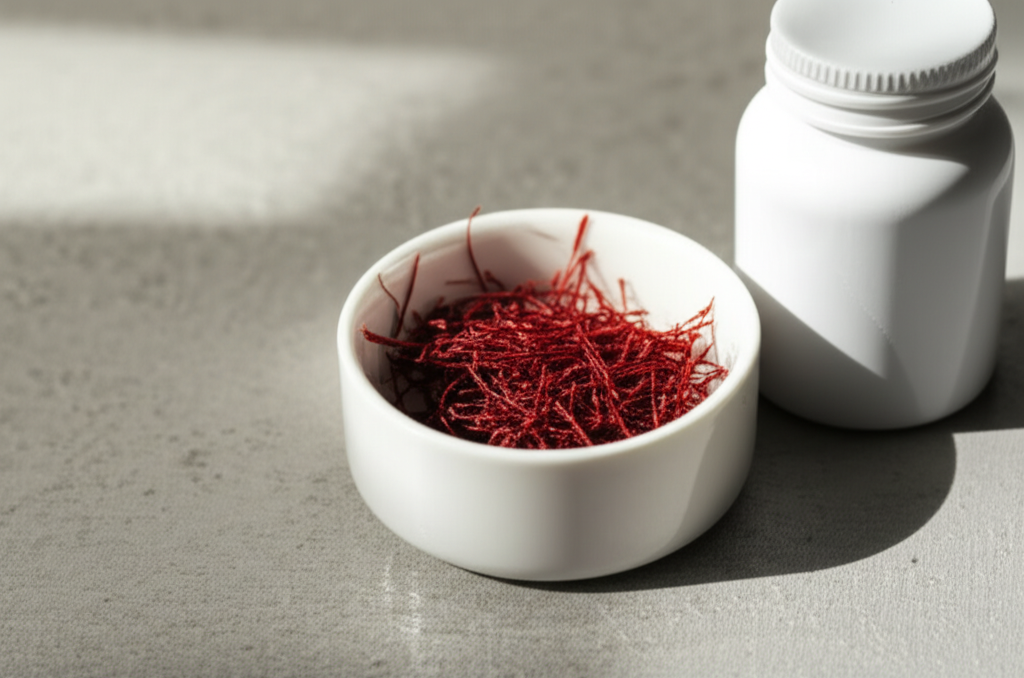
Does it replace other supplements for cravings?
No, and I wouldn’t treat it like a universal fix. I’ve seen people do better with magnesium (sleep-related), fiber (satiety-related), or just a solid multivitamin if their diet is chaotic. If you’re already browsing basics, a decent daily multivitamin can be a “foundation” purchase—just don’t expect it to directly switch off cravings like a light. Instead, think of it as support, not a switch.
Meanwhile, if you’re exploring broader metabolism support, some people like using a structured program alongside appetite tools. If you want to compare options, here’s an editor’s pick some readers ask about (I’m not saying it’s a miracle; I’m saying it’s a popular rabbit hole):
Video: saffron appetite control dosage timing safety
If you prefer a quick walkthrough instead of reading every label detail, this video is a solid visual break and hits the main considerations. Plus, it’ll help you spot the common marketing hype faster.
My bottom line (and how to use it without overthinking)
Saffron appetite control is worth considering if your snacking is tied to mood, stress, or reward cravings—especially later in the day. Choose a standardized extract around 28–30 mg daily, take it with food if your stomach is sensitive, and run an 8-week trial while tracking snacks or cravings. Most importantly, check interactions if you take mood meds or blood thinners, and skip it during pregnancy unless your clinician says otherwise. If you keep it simple, you’ll learn quickly whether it’s worth it for you.
You Might Also Like

