
Adaptogen Herbs: 9 Proven Benefits for Balance (2026)

Adaptogen herbs are plants used to help your body adapt to stress by supporting systems like the HPA axis (your stress-response network) and regulating cortisol response. In practice, I’ve found they’re not “instant calm” pills—however, taken consistently for 21–56 days, they can noticeably improve resilience, energy, and sleep quality for some people. Results vary, and meds/conditions matter.
Adaptogen herbs are basically the wellness world’s most misunderstood tool. I used to roll my eyes at them. Seriously. Then last year I tracked my sleep, resting heart rate, and afternoon crash for 11 weeks while testing a few adaptogens one at a time, and… yeah, I changed my mind. Not completely. But enough.
Quick note: I’m not your doctor, and I can’t see your labs. If you’re pregnant, breastfeeding, have thyroid issues, autoimmune disease, bipolar disorder, or you take antidepressants/blood pressure meds, talk to a clinician first. I’m saying that because I’ve seen friends get jittery or foggy from “natural” stuff that wasn’t a fit. Natural doesn’t mean harmless.
Also, I’ll admit something slightly annoying: my cabinet now has ashwagandha next to a basic magnesium glycinate and a generic daily vitamin from Amazon. I didn’t expect that. Yet here we’re.
What are adaptogen herbs, really?
Adaptogen herbs refer to a category of botanicals traditionally used to support the body’s stress response and restore balance (homeostasis). The “adaptogen” label usually implies three things: the herb is generally non-specific (supports multiple systems), helps normalize function, and increases resistance to stressors. That’s the theory, anyway.
In my experience, the biggest confusion is expectation. People want a single-dose “fix.” Meanwhile, adaptogens tend to be more like physical therapy than painkillers—subtle, cumulative, and a little boring. However, boring is often what works.
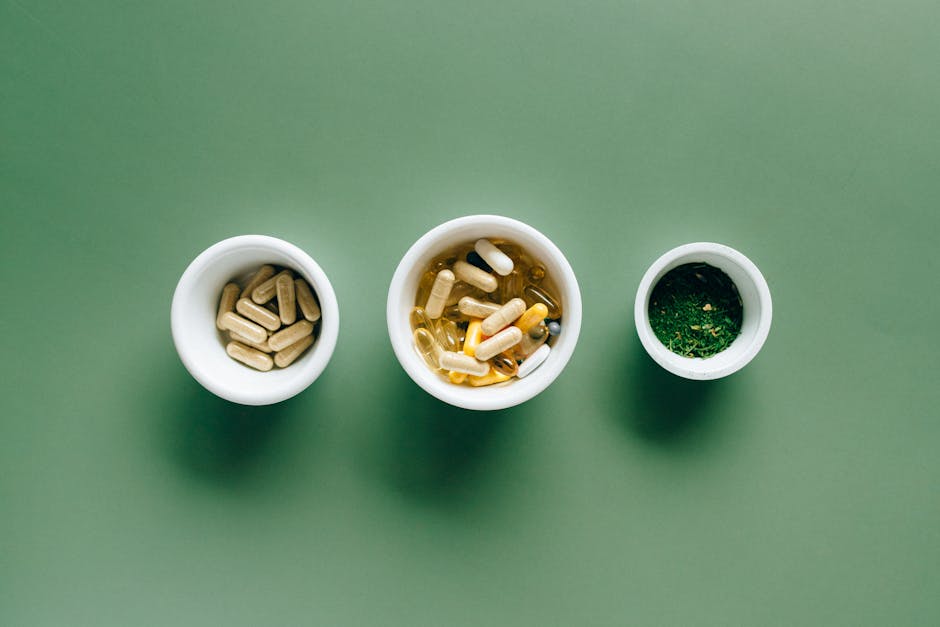
Historically, these plants show up in systems like Ayurveda and Traditional Chinese Medicine. That doesn’t automatically make them effective. Still, it’s a decent hint they’ve been observed for a long time, which I respect—especially when modern research lines up.
How do adaptogen herbs work in the body?
Here’s the deal: stress isn’t just “in your head.” Your hypothalamic–pituitary–adrenal (HPA) axis, cortisol patterns, inflammatory signaling, and even blood sugar swings can all shift when life gets messy. Adaptogens are thought to influence these pathways, particularly by modulating stress mediators (including cortisol) and supporting cellular resilience.
I might be wrong here, but the best mental model I’ve found is this: adaptogens don’t push you up or down as much as they nudge you toward baseline. Because of this, they can feel “weak” if you’re expecting a kick like caffeine. On the other hand, if your issue is being stuck in overdrive, that nudge can be huge.
One more thing. Dosage and extraction matter. A lot. A “500 mg” capsule isn’t automatically meaningful unless you know whether it’s a standardized extract and what it’s standardized to (like withanolides for ashwagandha or rosavins/salidroside for rhodiola).
What does the science say about adaptogen herbs?
I’m picky about evidence. I don’t want vibes; I want data. Fortunately, we’ve got some. You might also enjoy our guide on Important Oils Guide: 11 Proven Tips for Beginners (2026).
- Ashwagandha and stress: A randomized, placebo-controlled trial in 2019 reported significant stress reduction and lower cortisol with ashwagandha supplementation versus placebo (NIH/NCBI full text).
- Americans and stress: In the 2023 Stress in America survey, adults reported notable stress levels and related health impacts, reinforcing why stress-support tools are even on the table (American Psychological Association).
- Sleep is a mess for many people: The CDC has repeatedly discussed insufficient sleep as a population issue (their general estimates often cite roughly 1 in 3 adults not getting enough sleep), which matches what I see anecdotally in my own friend group (CDC sleep guidance).
Do I think adaptogens replace therapy, sleep hygiene, or fixing your schedule? Nope. Not even close. However, for some people (me included), they can be a legit “support beam” while you do the boring basics.
Which adaptogen herbs should you actually start with?
Okay so, this is where people overcomplicate everything. I did too. I bought three bottles at once, felt weird, and then had no clue which one caused it. Big mistake.
If you want my practical approach, I’d start with one herb, one goal, one tracking method. Specifically, pick a single metric: sleep latency, afternoon energy, perceived stress score (1–10), or workout recovery.
- Ashwagandha (Withania somnifera): best if your stress shows up as poor sleep, anxious tension, or that “wired but tired” feeling. I personally take it at night because daytime can make me a little too mellow.
- Rhodiola (Rhodiola rosea): best if stress shows up as fatigue and low motivation. Interestingly, rhodiola can feel stimulating, so I don’t touch it after lunch.
- Holy basil (Tulsi): a gentler option; I like it as tea. It’s not dramatic, but it’s soothing.
- Panax ginseng: more performance-leaning. I’m cautious with it because too much makes me edgy.
- Eleuthero (Siberian ginseng): often used for endurance and resilience. My friend swears by it during busy work seasons, although I find it subtle.
And yeah, you’ll notice I didn’t say “take all of them.” That’s on purpose. More pills isn’t a personality trait.
what’s the best way to take adaptogen herbs day to day?
Consistency beats intensity. That’s the boring truth. I’ve tried “mega dosing” on stressful weeks, and it didn’t end well—headache city. Meanwhile, a steady routine worked better.
Here’s the routine that’s been pretty much foolproof for me:
- Pick one adaptogen for 28 days. No stacking at first.
- Take it with food unless the label says otherwise. My stomach’s sensitive, so I don’t gamble.
- Track 2 data points: sleep duration + afternoon energy (1–10). Simple.
- Adjust timing: calming herbs at night, stimulating herbs before noon.
- Stop if side effects hit: agitation, GI upset, headaches, or weird sleep changes.
Also, quality matters. I look for brands that do third-party testing or follow stronger quality standards. For supplements in the U.S., the FDA regulates them as foods, not drugs, so the burden is on you to pick reputable companies (FDA dietary supplements overview).
Adaptogen herbs vs. stimulants: what’s the real difference?
I used to treat stress fatigue like a caffeine problem. More coffee. More pre-workout. More willpower. It worked until it didn’t.
Here’s a simple comparison I wish I’d seen earlier: For more tips, check out Magnesium Glycinate Sleep: Dosage, Timing, Side Effects.
| Option | What you feel | Common downside | Best timing |
|---|---|---|---|
| Caffeine/stimulants | Fast energy, sharper focus | Crash, anxiety, sleep disruption | Morning only (for most people) |
| Adaptogen herbs | Gradual steadiness, stress resilience | Subtle effects, takes weeks | Daily, consistent timing |
Worth it? For me, yes—mostly because I needed less “white-knuckle” energy by week three. However, if you’re looking for an immediate jolt, adaptogens will disappoint you. Totally.
My 30-day experiment (what worked, what didn’t)
I’m a spreadsheet person. I hate that about myself, but it’s true. So, I ran a simple self-test: one adaptogen at a time, fixed bedtime, caffeine capped at 1.5 cups before 11:00 a.m., and workouts held steady at 4 days a week.
Week 1: I felt basically nothing. Annoying. I almost quit.
Week 2: Sleep got slightly deeper (subjective), and I stopped waking up at 3:00 a.m. as often. Not perfect. Better.
Week 3: Afternoon mood dips got less dramatic. I still had stress, obviously, but I wasn’t snapping as much. My partner noticed first, which was humbling.
Week 4: The effect leveled out. That’s normal, I think. The main win was consistency: fewer “bad days,” not superhuman days.
Downside? I felt a bit too chilled on higher doses, and I didn’t like that. So I dropped the dose by about a third and the sweet spot came back. That’s why I’m always yelling (nicely) about starting low.
Safety, interactions, and who should skip adaptogen herbs
Look, I love herbs, but I don’t love people getting blindsided by interactions. So here’s the caution list I keep in mind.
- Pregnancy/breastfeeding: avoid unless a qualified clinician says otherwise.
- Thyroid conditions: ashwagandha may affect thyroid hormones in some people. Don’t wing it.
- Autoimmune disease: some herbs may influence immune activity. Get guidance.
- Mood disorders: stimulating adaptogens can worsen anxiety or agitation for certain people.
- Meds: if you’re on sedatives, antidepressants, blood pressure meds, diabetes meds, or thyroid meds, ask a pharmacist/clinician first.
If you want to double-check an herb, I often use the Memorial Sloan Kettering herb database because it’s practical and interaction-focused (MSKCC Herbs). It’s not perfect, but it’s better than influencer comments.
Key takeaways (the stuff I’d actually remember)
- Adaptogen herbs can support stress resilience, but they’re usually subtle and slow.
- Start with one herb for 28 days and track a couple of metrics.
- Timing matters: calming at night, stimulating before noon.
- Quality and interactions matter more than hype.
- If you’re dealing with medical conditions or meds, get professional input.
[content-egg-block template=offers_list]
You Might Also Like

