
7 Proven Picks: Best Multivitamin for Women (2026 Guide)


The best multivitamin for women is the one that fills your most likely gaps (usually vitamin D, iron, iodine, folate, B12, and sometimes omega-3s) without mega-dosing stuff you don’t need. I’ve found the “best” choice depends on age, diet, periods/pregnancy plans, and meds. Start by checking third-party testing, then match the formula to your life.
Okay so, I’ve bought more multis than I’d like to admit. Some made me nauseous. Some were basically candy. A couple actually helped (energy and nails, mostly). I might be wrong here, but I’m convinced most people pick the wrong bottle because the label screams “women’s” and that’s… pretty much it.
Quick note: I’m not your doctor. I’m just a blogger who’s tested different options over the last 3+ years, compared labels, and annoyed my pharmacist with questions. If you’re pregnant, trying to get pregnant, on thyroid meds, or taking blood thinners, don’t wing it. Seriously.
So here’s the deal. A multivitamin is essentially a “nutrient backup plan” for days your diet isn’t perfect (mine isn’t). However, it shouldn’t be a substitute for real food, sleep, hydration, and labs when something feels off.
what’s the best multivitamin for women, really?
I honestly hate blanket answers. Still, if I had to define “best multivitamin for women,” I’d say it’s a formula that (1) uses bioavailable forms, (2) avoids sketchy proprietary blends, (3) is third-party tested, and (4) matches your life stage. Also, it shouldn’t wreck your stomach. That matters.
- For heavy periods: you may need iron, but not always.
- For plant-based diets: B12, iodine, iron, zinc, and vitamin D are the usual suspects.
- For 40+: vitamin D, B12, magnesium intake, and bone support become more relevant.
- For pregnancy planning: folate (not just “folic acid”), iodine, choline, and DHA deserve attention.
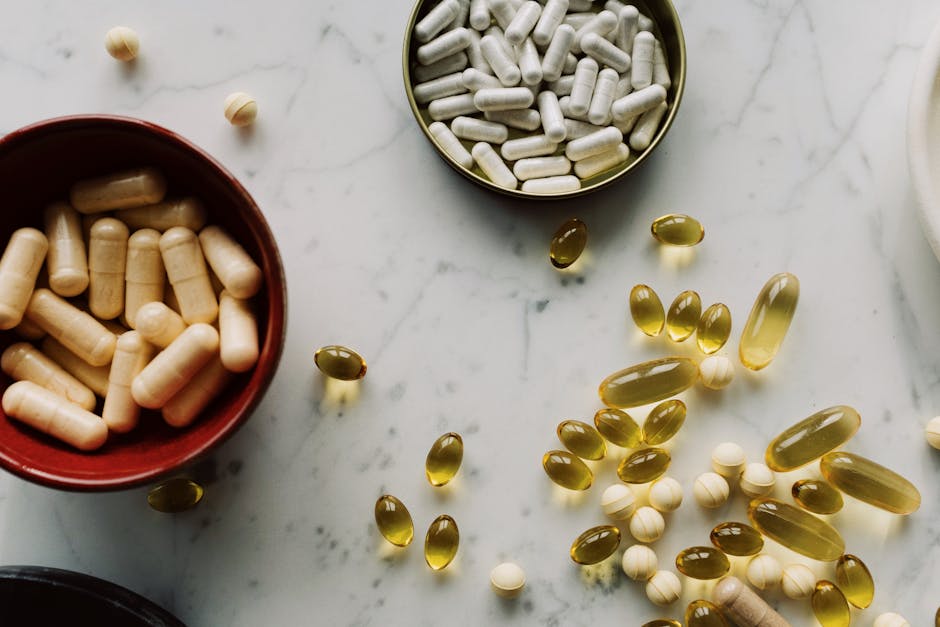
One thing I’ve learned the hard way: “more” isn’t better. Mega-dosing certain nutrients can backfire, particularly if you already eat fortified foods. Also, if your multi has iron and you don’t need it, your stomach may let you know. Loudly.
How does a multivitamin work in women’s bodies?
Multis work by providing small-to-moderate amounts of needed micronutrients your body uses as cofactors—think energy metabolism (B vitamins), thyroid hormone production (iodine, selenium), oxygen transport (iron), and bone remodeling (vitamin D, K, magnesium). Therefore, the “feel it instantly” expectation is usually unrealistic. In my experience, changes show up after 3–6 weeks, if at all.
Last spring I tracked my routine for 46 days—same breakfast, same coffee (I know, I know), and a consistent multivitamin. My biggest noticeable difference wasn’t magical energy; it was fewer brittle nail breaks and less “dragging” in the late afternoon. Not glamorous. Still useful.
Also, absorption isn’t automatic. For example, fat-soluble vitamins (A, D, E, K) are generally better taken with food that contains some fat. Meanwhile, calcium and iron can compete for absorption. That’s why some products split doses.
My label checklist (the stuff I actually look for)
Look, marketing is loud. Labels are louder. Here’s my no-nonsense checklist that I use before I buy anything—Amazon, a health store, wherever. You might also enjoy our guide on Sleep Inertia Remedies: 9 Science-Backed Ways to Wake Up Cle.
- Third-party testing: NSF, USP, or Informed Choice is a big plus. At minimum, I want a company that publishes COAs (certificates of analysis).
- Reasonable dosing: I don’t want 10,000% of B12 “because energy.” I want amounts that make sense.
- Forms that absorb well: methylcobalamin (B12) and methylfolate/5-MTHF (folate) are often better tolerated for some people.
- Iron: included only if it fits: if you’re post-menopausal or have constipation issues, iron can be a headache.
- Iodine and vitamin D: these are commonly low depending on diet and sun exposure.
- Capsule count: if it’s 6 pills/day, I won’t stick to it. I’m being honest.
For the nerdy side of this, I keep reputable references bookmarked. The NIH fact sheets are my go-to because they’re straightforward and not salesy: NIH Office of Dietary Supplements (ODS). Also, the FDA has a clear overview of supplement quality and labeling limits here: FDA Dietary Supplements.
And yes, I still read consumer reviews. However, I treat them like gossip: interesting, but not proof.
Best multivitamin for women: what I’d pick by scenario
I’m not going to pretend there’s one perfect bottle for everyone. Instead, I’m going to tell you how I’d choose based on real-life scenarios I’ve seen in friends, family, and—yeah—me.
| Scenario | What I prioritize | What I’m cautious about |
|---|---|---|
| Heavy periods / low ferritin history | Iron (often 18 mg), vitamin C, folate, B12 | Constipation, nausea; check labs first if possible |
| Plant-based / low seafood intake | B12, iodine, zinc, vitamin D; consider algae DHA separately | High-dose vitamin A (retinol) if pregnancy is possible |
| 40+ and bone-focused | Vitamin D, K2 (if appropriate), magnesium intake, calcium from food | Interactions with blood thinners; avoid mega-dose D |
| Trying to conceive | Prenatal-style folate (5-MTHF), iodine, choline, iron as needed | Herbal “extras” and retinol-heavy vitamin A |
My friend Jess swears by a simple, third-party-tested women’s multi and adds magnesium glycinate at night. I tried her setup for 3 months and, surprisingly, my sleep quality improved more than my energy did. Go figure.
Also, if you’re browsing Amazon, I’d keep it boring. Really. A well-reviewed, reputable daily vitamin supplement with transparent labeling usually beats a “beauty blend” with 27 mystery ingredients. If you want a starting point, that Amazon list above is where I’d compare brands side-by-side.
How to choose the right multivitamin (my 10-minute method)
Here’s what I do before I reorder. It’s quick. It saves money. It also prevents the “half-used bottle graveyard” under my sink.
- Step 1: Write down your goal (energy, hair shedding, pregnancy prep, bone support). One goal. Not twelve.
- Step 2: Check your diet pattern (low dairy, low fish, low red meat, lots of fortified foods, etc.).
- Step 3: Check for deal-breakers (iron/no iron, gelatin-free, capsule size, number of pills).
- Step 4: Confirm testing and basics (company reputation, third-party verification where possible).
- Step 5: Take it with food for 14 days and watch for nausea, headaches, reflux, or constipation.
Sound familiar? The “take it for 2 days and quit” cycle is real. I’ve done it. However, if a vitamin makes you feel sick, that’s not a character flaw—it’s a signal to switch formulas, dosing time, or to stop entirely.
The stats I use to keep myself honest
I like numbers because they calm my overthinking. Here are a few real ones I reference when I’m deciding what to prioritize.
- According to the CDC’s Second National Report on Biochemical Indicators of Diet and Nutrition, nutrient shortfalls (like vitamin B6, vitamin D, and iron in some groups) show up in measurable biomarkers—not just “vibes.” Source: CDC Nutrition Report.
- The NIH ODS notes that vitamin D inadequacy is common and that needs vary by age and life stage. Source: NIH ODS Vitamin D Fact Sheet.
- Iron needs differ sharply by sex and life stage, with higher recommended intakes during reproductive years. Source: NIH ODS Iron Fact Sheet.
Not gonna lie, the biggest “aha” for me was realizing a multivitamin can’t fix a medical issue. Low iron from heavy bleeding? That’s a conversation, not a gummy. Thyroid symptoms? Same. Therefore, I treat multis as support, not rescue. For more tips, check out Red light therapy knee pain: wavelengths, timing, and real r.

Side effects, interactions, and the stuff people don’t warn you about
Some multis hit like a brick. Nausea is the classic, especially with iron or zinc. And, taking a multivitamin on an empty stomach is basically asking for trouble (at least for me). Try lunch instead of breakfast. That single change fixed it for me.
Interactions are the other big one. Calcium, iron, magnesium, and zinc can interfere with certain medications (notably thyroid meds and some antibiotics). So, I separate supplements and meds by a couple hours unless my clinician says otherwise.
Also, “natural” doesn’t mean harmless. If your multi has herbal add-ons, be extra cautious. I’ve had jittery reactions to formulas with added green tea extract. Totally not fun.
What I buy in 2026 (and what I skip)
In 2026, I’m picky. I buy a straightforward women’s multi with reasonable doses, then I add single nutrients only if my diet or labs suggest it. That’s it. I skip “beauty complex” blends, detox claims, and anything that feels like it’s trying too hard.
If you want a deeper visual explainer, I’ve watched this video and it does a solid job of walking through what to look for on labels. I don’t agree with every single take, but it’s helpful.
Key takeaways (so you can actually act on this)
- I define the best multivitamin for women as one that matches your life stage, diet, and labs—not the prettiest label.
- Third-party testing matters more than trendy ingredients.
- Iron is a “maybe,” not a default. Besides, it’s a common nausea trigger.
- Take multis with food, and separate them from certain meds.
- If symptoms are significant, get bloodwork and medical guidance instead of stacking supplements.
[content-egg-block template=offers_list]
You Might Also Like

