
Foods to Eat to Gain Weight the Healthy Way in 2026


Looking to gain weight? Honestly, it can be just as tough as losing it. Especially if you’ve got a super-fast metabolism or some health stuff going on. Maybe you’ve always been naturally thin, or perhaps you’re recovering from an illness that caused you to lose weight. Whatever the reason, putting on pounds in a healthy way requires a thoughtful approach. But here’s the deal: you’ve gotta gain weight the healthy way. I’m going to walk you through the foods that can help you pack on those pounds, all while keeping your health front and center. It’s not impossible. I know it can feel daunting, but with the right strategies and a bit of patience, you can achieve your weight gain goals without sacrificing your well-being. Think of it as a journey towards a stronger, healthier you.
Understanding Healthy Weight Gain
Alright, before we jump into the food, let’s get one thing straight: healthy weight gain. It’s not about downing a bunch of junk food like sugary sodas, processed snacks, and fast food burgers. We’re talking building muscle, boosting bone density, and improving your overall body composition. Think nutrient-dense foods that fuel your body the right way. It’s a marathon, not a sprint. According to a 2024 report by the National Institutes of Health [1], prioritizing nutrient-rich foods is important for sustainable and healthy weight gain. I believe that makes total sense. Imagine trying to build a house with flimsy materials – it wouldn’t stand the test of time. The same goes for your body; you need high-quality fuel to build a strong and resilient physique. This means focusing on whole, unprocessed foods that provide your body with the vitamins, minerals, and macronutrients it needs to thrive.
The Importance of a Balanced Diet
When you’re trying to gain weight, you can’t just focus on one thing, like only eating protein or only eating carbs. You’ve got to have a balanced diet that’s loaded with carbs, proteins, and healthy fats. This combo is key for not just gaining weight, but also boosting your overall health. I’ve found that when I focus on all three, I feel way better. It’s like my body is actually thanking me. Trust me, it makes a difference. Think of it this way: protein is the building block for muscle, carbs provide the energy to fuel your workouts and daily activities, and healthy fats are needed for hormone production and overall cell function. A deficiency in any of these macronutrients can hinder your progress and leave you feeling sluggish and depleted. I had a friend who tried to gain weight by only eating protein shakes, and he ended up feeling bloated and constipated. It wasn’t until he incorporated more healthy fats and complex carbs into his diet that he started to see real results and feel better overall. For example, aim for roughly 40-50% of your daily calories from carbohydrates, 25-35% from protein, and 20-30% from healthy fats. These are general guidelines and can be adjusted based on your individual needs and activity level.

What High-Calorie Foods Can Help You Gain Weight?
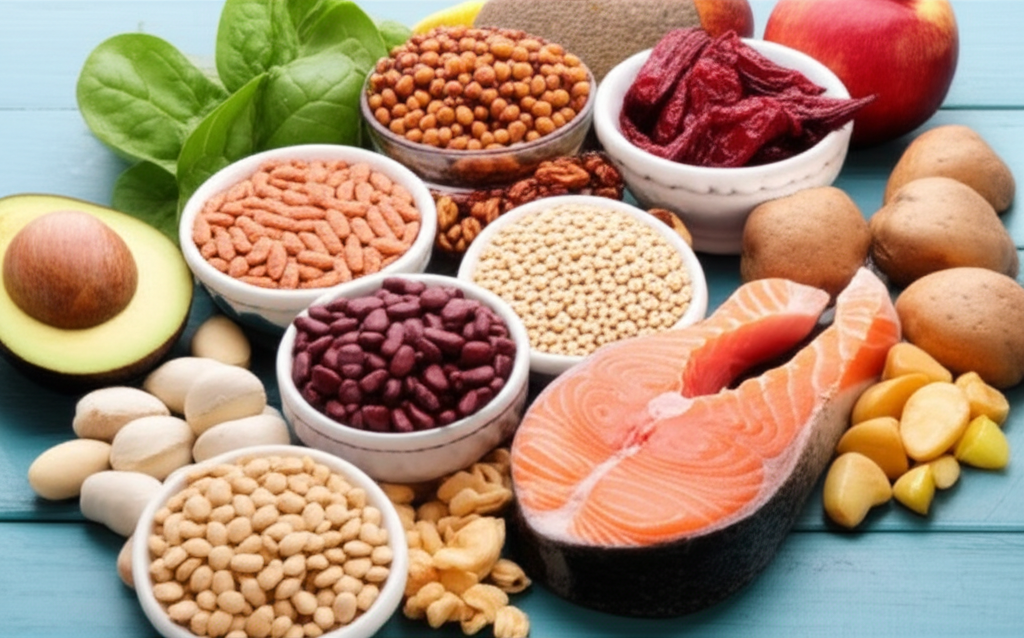
Okay, so here are some of the foods I swear by. These are packed with nutrients and will help you reach your goals. Are you ready? Remember, it’s not just about the calories; it’s about the quality of those calories. These foods provide a good source of energy and needed nutrients.
Nuts and Nut Butters
Nuts are calorie bombs, but in the best way possible. Healthy fats galore! Just a handful of almonds or walnuts can really pack a punch. They’re also packed with vitamins, minerals, and antioxidants. Nut butters? I’m obsessed. Peanut butter, almond butter… I add them to smoothies, spread them on whole-grain bread, or, let’s be real, eat them straight from the jar. Two tablespoons of peanut butter? That’s about 190 calories, plus protein, fiber, and those healthy fats. You can’t beat it. I always keep a jar of almond butter at my desk for a quick and easy snack. It’s so satisfying and keeps me feeling full for hours. Experiment with different types of nuts and nut butters to find your favorites. Cashews, macadamia nuts, and sunflower seed butter are all great options. Just be mindful of portion sizes, as nuts are very calorie-dense. A quarter-cup serving of almonds contains approximately 207 calories and 18 grams of healthy fats. Consider adding nuts to your oatmeal, yogurt, or salads for an extra boost of calories and nutrients.
Avocados
Avocados are another one of my go-to’s. They’re loaded with healthy monounsaturated fats, and one avocado has around 240 calories. They’re also a good source of fiber, potassium, and vitamins C and K. I throw them in salads, blend them into smoothies, or just spread them on toast. The creamy texture? Amazing. It’s such an easy way to add healthy calories to pretty much anything. Honestly, I eat them almost daily. I love making avocado toast with a sprinkle of sea salt and red pepper flakes. It’s a simple yet delicious and nutritious breakfast or snack. You can also add avocado to your sandwiches, tacos, or even use it as a base for guacamole. For a quick and easy calorie boost, try adding half an avocado to your morning smoothie. The healthy fats will help keep you feeling full and satisfied until lunchtime. Avocados contain roughly 15 grams of fat, 3 grams of fiber, and nearly 10 grams of carbohydrates.
Why is Protein Important When Trying to Gain Weight?
Protein? It’s vital. Especially for muscle growth and repair. If you’re serious about gaining weight the right way, you’ve gotta load up on protein-rich foods. No exceptions. Protein provides the amino acids your body needs to build and repair muscle tissue, which is must-have for gaining lean mass. It also helps regulate appetite and keep you feeling full, which can be beneficial when you’re trying to consume more calories. Without adequate protein intake, your body may struggle to build muscle, and you may end up gaining more fat than muscle. Aim to consume at least 0.8 grams of protein per kilogram of body weight per day, and potentially more if you’re actively strength training. For example, a 150-pound person would need approximately 55 grams of protein per day.
Lean Meat and Fish
Lean meats like chicken, turkey, and beef are protein powerhouses. A 3-ounce serving of cooked chicken breast? About 140 calories and 26 grams of protein. Boom. Fish, especially the fatty kind like salmon and mackerel, not only give you protein but also those omega-3s. Those are super key for muscle recovery and overall health. My friend swears by salmon after a tough workout. I try to incorporate lean protein into every meal. Grilled chicken salad for lunch, a turkey burger for dinner, or a hard-boiled egg for a snack. Variety is key to keeping things interesting and ensuring you’re getting a wide range of nutrients. Fatty fish like salmon, tuna, and mackerel are excellent sources of omega-3 fatty acids, which have been shown to reduce inflammation and improve heart health. Aim to eat at least two servings of fatty fish per week. A 3-ounce serving of salmon contains approximately 175 calories and 19 grams of protein. Consider baking, grilling, or poaching your fish to minimize the addition of unhealthy fats.
Dairy Products
Full-fat dairy? Yes, please! Whole milk, yogurt, cheese… fantastic for gaining weight. A cup of whole milk has about 150 calories and 8 grams of protein. Yogurt is super versatile – snack, breakfast, you name it. And cheese? I mean, come on, you can add it to everything. I’ve been using full-fat Greek yogurt as a base for my breakfast bowls for months now, and I’ve definitely noticed a difference. I really have. I add granola, berries, and a drizzle of honey for a delicious and filling breakfast. Cheese is another great way to add calories and protein to your diet. Sprinkle some shredded cheese on your salads, omelets, or tacos. Just be mindful of portion sizes, as cheese can be high in saturated fat. If you’re lactose intolerant, there are plenty of dairy-free alternatives available, such as almond milk, soy yogurt, and cashew cheese. A cup of whole milk contains approximately 8 grams of fat, 12 grams of carbohydrates, and 8 grams of protein. Full-fat Greek yogurt is an excellent source of protein and probiotics, which can promote gut health.

What are the Best Healthy Carbohydrates for Weight Gain?
Carbs? Needed for energy. Especially when you’re upping your calorie intake. But here’s the thing: you’ve got to go for complex carbs, not the simple sugars. It’s a big mistake if you don’t. Simple sugars, like those found in sugary drinks and processed snacks, can lead to energy crashes and weight gain in the form of fat. Complex carbohydrates, on the other hand, provide a sustained source of energy and are packed with nutrients. They’re also rich in fiber, which can help regulate blood sugar levels and keep you feeling full.
Whole Grains
Whole grains like brown rice, quinoa, and whole-wheat pasta are packed with nutrients and calories. One cup of cooked quinoa? Around 220 calories, 8 grams of protein, and a ton of vitamins and minerals. Seriously. Throwing these into your meals can really boost your calorie intake. According to a study published in the American Journal of Clinical Nutrition [2], whole grains contribute to sustained energy levels and overall health. I find that pretty interesting, don’t you? I love making a big batch of quinoa at the beginning of the week and adding it to salads, soups, and bowls. Brown rice is another great option that pairs well with almost any protein and vegetable. Whole-wheat pasta is a healthier alternative to white pasta and can be used in a variety of dishes. Experiment with different whole grains to find your favorites and incorporate them into your daily meals. A cup of cooked brown rice contains approximately 216 calories, 4.5 grams of protein, and 45 grams of carbohydrates. When choosing bread, look for options that list whole wheat or whole grains as the first ingredient.
Starchy Vegetables
Veggies like sweet potatoes, potatoes, and corn are awesome sources of healthy carbs. A medium sweet potato has about 110 calories, plus fiber and vitamins. Roasting or mashing them? Even better. I honestly hate plain boiled potatoes, but roast them with some olive oil and spices? So good! I love baking sweet potatoes and topping them with cinnamon and a dollop of Greek yogurt. Roasted potatoes with rosemary and garlic are another one of my favorite side dishes. Corn on the cob is a delicious and nutritious summer treat. Starchy vegetables provide a good source of energy and are packed with vitamins, minerals, and fiber. They’re also relatively inexpensive and easy to prepare. A medium baked potato contains approximately 161 calories, 4 grams of protein, and 37 grams of carbohydrates. Consider adding starchy vegetables to your soups, stews, and stir-fries for an extra boost of calories and nutrients.
Smart Snacking Strategies for Weight Gain
Snacking? It’s not just about meals. Snacking can help you hit your weight gain goals, too. Here are some ideas I’ve used. What do you think? The key is to choose snacks that are both calorie-dense and nutrient-rich. This will help you increase your calorie intake without sacrificing your health. Plan your snacks ahead of time and keep them readily available so you’re less likely to reach for unhealthy options.
Trail Mix
Trail mix with nuts, seeds, and dried fruit is easy and nutritious. You can make it however you like, and it’s perfect for on-the-go. A handful gives you a quick energy boost and a good dose of calories. Just watch out for the added sugar in some dried fruits. That’s a sneaky one. I like to make my own trail mix with almonds, walnuts, pumpkin seeds, and unsweetened cranberries. It’s a great way to get a variety of nutrients and healthy fats. You can also add some dark chocolate chips for a touch of sweetness. Experiment with different combinations of nuts, seeds, and dried fruits to find your favorite trail mix recipe. A quarter-cup serving of trail mix can contain approximately 200-300 calories, depending on the ingredients.
Protein Shakes
Protein shakes are a quick way to up your protein and calorie intake. Blend protein powder with fruits, nut butter, and whole milk or yogurt. You’ve got a delicious, nutritious shake that helps you gain weight. I’ve been experimenting with different protein powders lately, and I’m pretty impressed with some of the plant-based options. They’ve come a long way. I love making a protein shake with banana, spinach, almond butter, and almond milk. It’s a quick and easy way to get a good dose of protein, healthy fats, and vitamins. You can also add some oats or flax seeds for extra fiber. Experiment with different protein powder flavors and ingredients to find your favorite shake recipe. A protein shake can contain anywhere from 300-500 calories, depending on the ingredients. Consider using a high-quality protein powder that’s low in sugar and artificial sweeteners.
Research from the Mayo Clinic [4] suggests that consuming small, frequent meals and snacks can aid in healthy weight gain. Try eating every 2-3 hours to keep your metabolism revved up and ensure you’re getting enough calories throughout the day.
Don’t Forget to Stay Hydrated
Don’t forget about hydration! Some people forget to drink enough when they’re trying to eat more. Opt for calorie-containing drinks like smoothies, milk, or even 100% fruit juices to help you hit your hydration and calorie goals. I always keep a big water bottle with me, but sometimes I swap it out for a smoothie to get those extra calories in. It works pretty well. Dehydration can lead to fatigue, headaches, and decreased performance. Aim to drink at least 8 glasses of water per day, and potentially more if you’re active. If you’re struggling to drink enough water, try adding some lemon or cucumber slices for flavor. Calorie-containing drinks like smoothies and milk can also help you increase your calorie intake. Just be mindful of the sugar content in fruit juices and opt for 100% juice options.
Key Strategies for Healthy Weight Gain
- Prioritize nutrient-dense foods over empty calories.
- Balance your diet with carbs, proteins, and healthy fats.
- Snack strategically to boost your calorie intake.
- Stay hydrated with calorie-containing beverages.
Conclusion
Gaining weight the healthy way? It takes a plan. Load up on high-calorie, nutrient-dense foods like nuts, avocados, lean meats, dairy, whole grains, and starchy veggies. Add them to your meals and snacks. You can gain weight and stay healthy. Remember, it’s not just about more calories, but the right kind of calories. That’s what nourishes your body. And always consult with a healthcare professional or registered dietitian for personalized advice tailored to your specific needs. According to the Academy of Nutrition and Dietetics [3], individualized dietary plans are vital for achieving sustainable health outcomes. It’s really important. They can assess your individual needs and provide you with a customized plan that’s safe and effective. They can also help you monitor your progress and make adjustments as needed. Remember, gaining weight is a journey, not a destination. Be patient with yourself and celebrate your successes along the way.
Disclaimer: I’m just sharing what’s worked for me. I’m not a doctor or registered dietitian, so this isn’t medical advice. Always talk to a professional before making big changes to your diet.
You Might Also Like

