
Top 10 Vitamins for Energy (Proven Picks) in 2026


Top 10 vitamins for energy are the nutrients I lean on when my “why am I so tired?” days start stacking up: B12, B6, folate, thiamine, riboflavin, niacin, vitamin C, vitamin D, iron (not a vitamin, but key), and magnesium (same deal). They don’t “create” energy out of thin air; they help your body turn food into ATP, support oxygen delivery, and keep nerves and muscles firing normally.
So here’s the deal. I’ve chased “energy” the wrong way before—extra coffee, sugary snacks, skipping lunch, all that stuff. Big mistake. What actually helped me was getting boringly consistent with nutrition, then using targeted vitamins (and a couple minerals) when my diet was clearly missing something.
Quick note: I’m not your doctor, and I don’t know your labs. If you’re pregnant, on blood thinners, have thyroid issues, anemia, kidney disease, or autoimmune stuff, please don’t wing it with supplements. I’ve done the “eh, it’s just a vitamin” thing. Didn’t love the results.
Also, I’m going to be slightly annoying and include iron and magnesium. They’re not vitamins. However, if your goal is more energy, pretending those two don’t exist is… honestly silly.
What are the top 10 vitamins for energy?
Top 10 vitamins for energy refers to the core micronutrients that support energy metabolism (ATP production), red blood cell formation, oxygen delivery, and nervous system function. In practice, I’ve seen the biggest “wow” moments happen when someone fixes a deficiency—especially B12, vitamin D, or iron—rather than stacking random stimulants.
- Vitamin B12 (cobalamin)
- Vitamin B6 (pyridoxine)
- Folate (vitamin B9)
- Thiamine (vitamin B1)
- Riboflavin (vitamin B2)
- Niacin (vitamin B3)
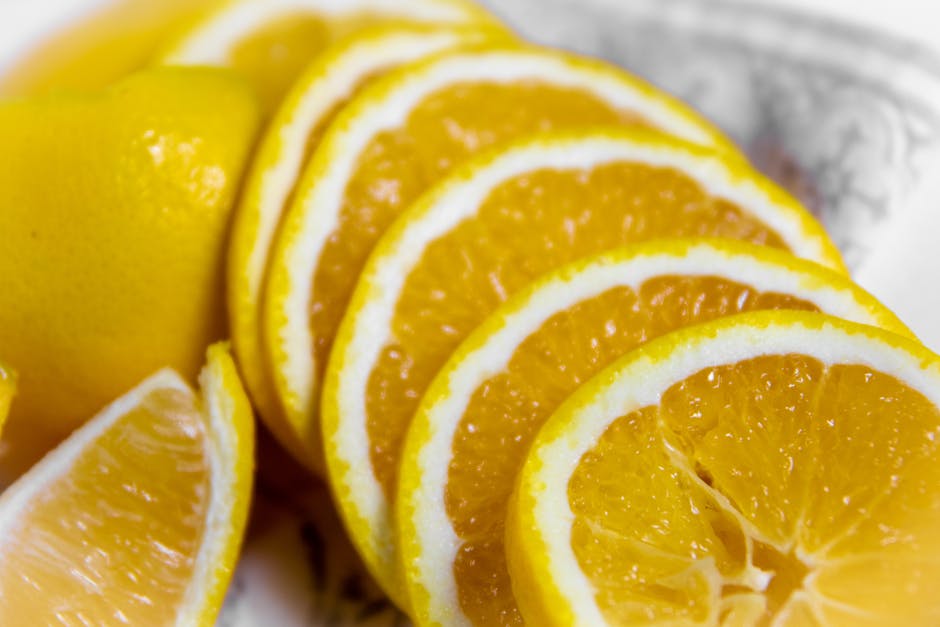
- Vitamin C
- Vitamin D
- Iron (mineral)
- Magnesium (mineral)
I know, I know—lists are everywhere. The difference here’s I’m going to tell you what I actually check first, what tends to matter most, and where people (including me) screw it up.
How do vitamins actually affect energy?
Vitamins don’t act like caffeine. They’re more like the tiny tools your cells need to run the “energy factory.” Specifically, B vitamins act as coenzymes in carbohydrate and fat metabolism, iron supports oxygen transport via hemoglobin, and magnesium is involved in hundreds of enzymatic reactions, including ATP-related processes. Make sense?
Interestingly, the “energy” you feel is often indirect: improved sleep quality, fewer headaches, steadier mood, less muscle fatigue, and better exercise tolerance. I’ve noticed that when my meals are sloppy for a week, my workouts feel harder and my brain feels foggier. Not even close.
Top 10 vitamins for energy: my real-world breakdown
Before someone yells at me: yes, you can get most of these from food. And you should. However, in my experience, a supplement can be helpful when your diet is inconsistent, your labs show a gap, or you’ve got restrictions (vegan, low appetite, heavy training, etc.).
1) Vitamin B12
B12 is one of the first things I think about for low energy, especially if you don’t eat much animal food. It’s involved in red blood cell formation and neurological function. I’ve personally tested B12 for about 3 months after a stretch where I was barely eating meat, and the “afternoon crash” improved more than I expected.
- Food sources: meat, fish, eggs, dairy, fortified plant milks/cereals
- Watch-outs: vegans/vegetarians, metformin use, acid reducers (talk to your clinician)
2) Vitamin B6
B6 supports amino acid metabolism and neurotransmitter synthesis. Basically, it’s part of the machinery that keeps your brain and muscles working smoothly. I’m skeptical of megadoses, though. Too much B6 over time can cause nerve issues, so don’t go rogue.
- Food sources: poultry, potatoes, bananas, chickpeas
- My take: great in a balanced B-complex, not as a “more is better” solo pill
3) Folate (B9)
Folate matters for DNA synthesis and red blood cell production. Therefore, low folate can feel like sluggishness that doesn’t match your sleep. If you’re trying for a baby, folate is a whole separate conversation—get professional guidance. You might also enjoy our guide on Magnesium Glycinate Sleep: Dosage, Timing, Side Effects.
- Food sources: leafy greens, lentils, beans, asparagus
- Tip: if you supplement, consider methylfolate only if advised; it’s not automatically “better” for everyone
4) Thiamine (B1)
Thiamine helps convert carbs into usable energy. If your diet is heavy on refined carbs and light on whole foods, B1 can be one of those sneaky gaps. My friend who runs marathons swears his “base” multivitamin plus whole grains fixed his constant fatigue. Take that with a grain of salt, but I get it.
- Food sources: pork, legumes, whole grains, seeds
5) Riboflavin (B2)
B2 supports energy production pathways and antioxidant systems. It’s not flashy. Still, it’s foundational. Also, yes—your pee can turn bright yellow with B vitamins. Totally normal. Don’t panic.
- Food sources: dairy, eggs, almonds, mushrooms
6) Niacin (B3)
Niacin participates in forming NAD/NADP, which are central to energy metabolism. However, “niacin flush” is real and can feel awful. If you’ve ever turned red and itchy after a supplement, that’s probably why.
- Food sources: poultry, tuna, peanuts, brown rice
- Watch-outs: higher-dose niacin should be clinician-guided, especially if you’ve liver issues
7) Vitamin C
Vitamin C isn’t an “energy vitamin” in the hype sense, but it helps with iron absorption and supports normal immune function. As a result, if you’re low on iron and you’re not pairing it with vitamin C foods, you may be slowing your own progress. I’ve done that. Oops.
- Food sources: citrus, bell peppers, strawberries, broccoli
- Practical move: add a kiwi or orange with iron-rich meals
8) Vitamin D
Vitamin D affects muscle function, immune signaling, and overall wellbeing. Plenty of people feel “draggy” when they’re low. I’m not claiming it fixes everything, but when I got my levels checked years ago, mine were embarrassingly low and supplementing made mornings less brutal.
- Food sources: fatty fish, fortified dairy/plant milks, egg yolks (sunlight helps too)
- Reality check: don’t guess—test if you can
9) Iron (mineral, but key)
Iron is the “oxygen delivery” piece. If you’re low, you can feel wiped out even after a full night’s sleep. What’s more, heavy periods, endurance training, and low-meat diets can increase risk. This one is serious: I wouldn’t supplement iron without a lab test, because too much is harmful.
- Food sources: red meat, lentils, spinach, fortified cereals
- Absorption tip: pair plant iron with vitamin C; avoid taking with coffee/tea
10) Magnesium (mineral, also necessary)
Magnesium supports muscle function, nerve signaling, and enzymatic reactions tied to ATP. I’ve used magnesium glycinate during stressful months because my sleep gets weird, and poor sleep basically wrecks my “energy” faster than anything. That said, too much can cause GI issues. Start low.
- Food sources: pumpkin seeds, almonds, black beans, dark chocolate
- Common forms: glycinate (often gentler), citrate (can be laxative for some)
what’s the best way to take vitamins for energy?
I honestly hate complicated supplement routines. I won’t stick to them. What worked for me was a simple “food first, test second, supplement third” approach—plus a few rules that stop me from wasting money.
- Start with symptoms + diet reality. If your diet is mostly beige carbs, fix that first.
- Get labs when it matters. Especially for iron, B12, and vitamin D.
- Use targeted doses. More pills doesn’t equal more energy.
- Time it smart. B vitamins earlier in the day; magnesium often at night.
- Re-check and stop if unnecessary. I re-evaluate every 8–12 weeks.
If you want a simple option, a basic daily multivitamin can cover the “oops I didn’t eat vegetables” days. I’ve tried a few, and a standard daily vitamin supplement from Amazon is usually where people start if they want convenience. For more tips, check out Box Breathing Benefits: A 5-Minute Protocol for Better Sleep.
Stats that actually matter (and why I pay attention)
Numbers keep me honest. Otherwise, I end up believing whatever the loudest wellness influencer says. Here are a few stats I use as a gut-check:
- According to the NIH Office of Dietary Supplements, vitamin D status is commonly assessed via serum 25(OH)D, and deficiency is a recognized clinical issue—so guessing isn’t ideal.
- Per the NIH ODS iron fact sheet, iron requirements vary significantly by sex and life stage, which is why “my supplement worked for me” doesn’t automatically apply to you.
- CDC data has repeatedly shown that sleep duration and timing are closely tied to daytime functioning; for example, the CDC sleep statistics page summarizes population sleep shortfall patterns that often look exactly like “low energy.”
Do I think stats solve everything? No. However, they keep me from doing dumb stuff. Which I’m prone to.
My quick comparison: food vs supplements (and what I choose)
| Option | Pros | Cons | What I do |
|---|---|---|---|
| Food sources | Better nutrient synergy, more fiber, more filling | Harder if you’re busy/picky/restricted | Baseline daily habit |
| Multivitamin | Convenient “coverage,” inexpensive | May include stuff you don’t need | Travel weeks, hectic months |
| Targeted supplement (iron, D, B12) | Best for correcting known gaps | Risky if taken blindly | Only with labs/symptoms |
Common mistakes I see (and yes, I’ve done them)
Okay so, if you’re still tired after adding supplements, you’re not broken. You might just be chasing the wrong problem.
- Masking sleep debt: no vitamin fixes 5 hours of sleep. Seriously.
- Taking iron “just because”: please test first.
- Ignoring protein: low protein can feel like low energy, period.
- Mixing supplements with coffee: especially iron—coffee can reduce absorption.
- Expecting instant results: correcting deficiencies can take weeks.
Moving on. If you want a “metabolism” angle, I’ll be honest: I’m skeptical of anything that promises effortless results. Still, some people like a structured plan, and that’s why I’m including the option below for anyone who wants to read more.
My “energy routine” that doesn’t feel like a full-time job
This is what I’ve stuck with lately, and I’m sharing it because it’s realistic. Also, it’s not perfect. I’m human.
- Breakfast with protein (usually eggs or Greek yogurt) within 90 minutes of waking.
- Sunlight walk for 8–12 minutes if I can manage it.
- Lunch that isn’t sad: some carbs, some protein, something green.
- Supplements only if they’re justified (multivitamin, vitamin D in winter, magnesium at night).
- Caffeine cutoff around 1:30 p.m. or my sleep gets wrecked.
Do I do this daily? Nope. However, I do it often enough that my baseline energy feels steadier.
Key takeaways
- Top 10 vitamins for energy mostly support energy metabolism and oxygen delivery; they don’t act like stimulants.
- Big wins usually come from fixing deficiencies (B12, vitamin D, iron), not stacking random pills.
- Test before supplementing iron, and be cautious with high-dose B6 and niacin.
- Sleep, protein, and consistent meals beat “magic” supplements almost every time.
[content-egg-block template=offers_list]
You Might Also Like
