
Walking After Meals: Blood Sugar Timing and How Long to Walk
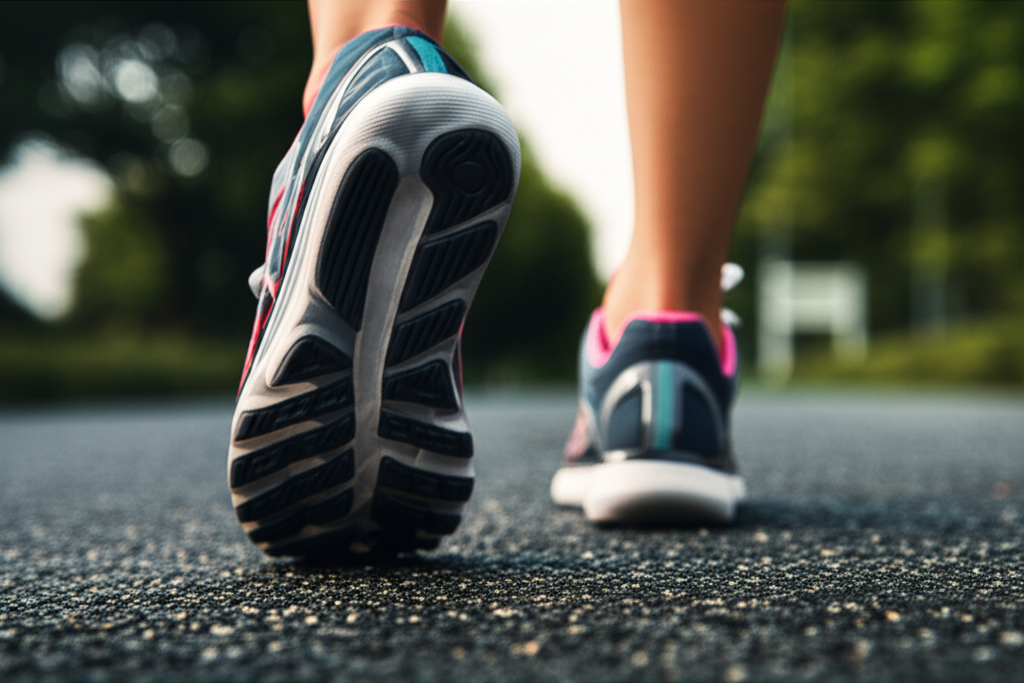

Walking after meals is one of the simplest ways to blunt your post-meal blood sugar spike: take an easy walk 10–30 minutes after eating for 10–20 minutes. In practice, I’ve found that even a “boring” 12-minute loop around the block makes my energy feel steadier (especially after carb-heavy lunches). Plus, it tends to help digestion, because gentle movement nudges your gut along without the “bounce” of harder workouts.
Here’s the big idea: after you eat, glucose enters your bloodstream. When you move your muscles, they pull more glucose out of the blood to use as fuel—often with less demand on insulin. Therefore, this short stroll can be a small habit with an outsized payoff. And no, you don’t need fancy gear or a perfect schedule—you’ll do fine with what you’ve got.
Quick side note: if you’re already working on your health, a basic daily multivitamin can be a nice “insurance policy” for gaps (I’ve bought the generic versions of these vitamin supplements plenty of times when my meal prep phase… didn’t happen). Still, the walk’s doing the heavy lifting here, and you don’t need to overthink it.
Walking after meals: what it does for blood sugar (and why it works)
When you walk, your leg muscles contract and demand energy. Interestingly, contracting muscle can increase glucose uptake through pathways that don’t rely entirely on insulin. As a result, your body has another way to clear glucose from the bloodstream during that post-meal window when levels typically rise.
Evidence backs this up. A systematic review in Sports Medicine found that breaking up sitting with light activity after meals improved postprandial (after-meal) glucose and insulin measures compared with prolonged sitting. In other words, it’s not just theory—it’s measurable physiology. Source: Sports Medicine review on post-meal activity and glycemic control (PubMed).
Meanwhile, the CDC notes that physical activity helps manage blood glucose and can reduce risk for type 2 diabetes. Of course, that’s broad guidance, but it matches what people notice day-to-day: fewer energy crashes and less “food coma.” Source: CDC: Physical activity and diabetes.
Also, you can see the effect show up in population data. According to a 2024 report by the CDC (National Center for Health Statistics), about 11.6% of U.S. adults have diabetes. In other words, small daily habits that support glucose control can matter at scale.
For a second stat signal, the bigger picture matters too. According to a 2024 analysis summarized by the American Diabetes Association journal Diabetes Care, post-meal glucose can account for roughly ~50% of overall glucose exposure in some groups with A1C closer to goal. As a result, post-meal movement can be a smart place to focus if you’re trying to smooth your curve.
For a third data point, that scale adds up fast. According to a 2024 report by the World Health Organization (WHO), diabetes affected about 9% of adults worldwide (age-standardized). So, the basics matter, and this habit’s one you can actually stick with.
To make this more concrete, here’s an everyday example: if you eat a bagel sandwich and then sit for an hour, you might feel sleepy and hungry again fast. However, if you take a relaxed 15-minute stroll, you’ll often notice steadier energy and fewer cravings later.
When should you walk after eating?
If you want a practical rule that actually fits real life, here it’s: aim to start walking about 10–30 minutes after you finish eating. That’s typically when blood glucose is climbing, so you’re “catching” part of the rise. On top of that, it’s late enough that you’re not immediately sloshing food around in your stomach (which can feel gross).
That said, there’s wiggle room. For example, if you can only go at minute 45, do it anyway. Ultimately, the perfect window is the one you’ll repeat most days.
My timing shortcuts (the ones I actually use)
- Lunch at home: I set a 15-minute timer when I clear my plate. When it rings, I go.
- Lunch at work: I walk the building perimeter or do a few laps in a hallway if weather is terrible.
- Eating out: I ask for the check early, then take a relaxed stroll afterward instead of collapsing into the car.
How long should your post-meal walk be?
For most people, 10–20 minutes is the sweet spot for consistency and results. It’s short enough that you won’t dread it, yet long enough to get your muscles involved. Also, the “minimum effective dose” matters here—if you try to force 45 minutes every time, you’ll probably quit.
If you want a simple progression, try this:
- Week 1: 10 minutes after one meal per day.
- Week 2: 10–15 minutes after two meals.
- Week 3+: 15–20 minutes after your biggest carb meal (and optionally another meal).
As a benchmark, the CDC recommends adults aim for 150 minutes of moderate-intensity aerobic activity per week. Therefore, you can chip away at that with these short walks. Source: CDC physical activity guidelines for adults.
How hard should you walk (easy vs brisk vs “I’m late”)?
Most of the time, easy to moderate is ideal after a meal. You should be able to talk in full sentences, but you’re not moving at a snail’s pace either. Specifically, I think “purposeful stroll,” not “power-walk like you’re auditioning for a fitness commercial.”
Here’s how I’d choose intensity:
- If digestion is your main issue: go easy. Gentle is your friend.
- If blood sugar spikes are your main concern: go moderate (a bit brisk), especially after higher-carb meals.
- If you get reflux: keep it easy and avoid hills right after eating.
One more real-world note: if you’re wearing a continuous glucose monitor (CGM), you may see your curve flatten when you walk. It’s pretty satisfying. However, don’t obsess over the graph—use it as feedback, not a judgment.
What about high-carb meals, prediabetes, and other common situations?
This is where this habit becomes especially useful. Different meals create different glucose responses, and your strategy can change without getting complicated. For example, the same person can respond very differently to rice vs. steak and veggies.
After a high-carb meal (pizza, rice bowls, pasta nights)
Personally, this is when I notice the biggest difference. If I eat a carb-heavy dinner and then sit, I’m sleepy and snacky later. On the other hand, if I take a post-dinner stroll for 15–20 minutes, I feel more even. Therefore, after high-carb meals, I’d bias toward the longer end (closer to 20 minutes) at a moderate pace.
If you’ve prediabetes
If a clinician has told you you’re in the prediabetes range, post-meal movement can be a very practical lever. And, it’s low-risk compared with more aggressive interventions. That said, it’s not a substitute for medical care—think of it as a daily tool that pairs well with nutrition changes, sleep, and stress management.
Evening dinners (and the “I’m tired” problem)
Evening walks can help, but there’s a catch: some people sleep worse if they do anything too intense late. So keep it chill. I like a 10–15 minute walk after dinner, then I’m done—no HIIT, no heroics. Also, if your neighborhood doesn’t feel safe after dark, indoor laps in your home absolutely count.
Can it help digestion too?
In my experience, yes—within reason. Gentle movement can reduce that “brick in the stomach” feeling and may help with gas and bloating. Meanwhile, going too hard too soon can backfire and make you feel nauseated. So, keep the intensity sane and you’ll be better off.
A simple digestion-friendly approach:
- Wait 10–15 minutes after finishing your meal.
- Walk easy for 10 minutes on flat ground.
- If you feel good, extend to 15–20 minutes.
How to make it work with a busy schedule (no fantasy routines)
Most people don’t have time for a scenic stroll after every meal. I get it. However, you can still get the benefit with “micro-walks.”
- Desk job: 5 minutes out, 5 minutes back. It’s not glamorous, but it’s consistent.
- Parent life: walk with the stroller or do a “tidy walk” (pick up toys while moving room to room).
- Bad weather: indoor laps, stairs at an easy pace, or marching in place during a show.
- Restaurant dinners: park farther away and stroll the block once before driving.
If you want one habit that sticks, pick one meal (usually dinner) and attach a short walk to it. That’s why, it becomes automatic faster than trying to overhaul your entire day. Over time, you’ll notice it’s easier to keep going—even on busy weeks.
A quick, realistic weekly plan you can copy
If you want structure without turning your life into a spreadsheet, try this:
- Mon/Wed/Fri: 15–20 minutes after dinner.
- Tue/Thu: 10 minutes after lunch.
- Weekend: one longer walk (30–45 minutes) whenever it fits.
And, if you know a big meal is coming (birthday dinner, holiday food, takeout night), plan the walk like you plan the meal. It sounds obvious, yet it’s the difference between “I’ll try” and “I did.” Next time, you’ll trust yourself more because you’ve already proven you can do it.
Summary: Walking after meals works because your muscles use circulating glucose, which can reduce post-meal spikes and often feels better for digestion. Start 10–30 minutes after eating, walk 10–20 minutes at an easy-to-moderate pace, and prioritize consistency over perfection. If you’re on glucose-lowering meds or have symptoms like dizziness or chest pain, talk to a clinician before pushing intensity.
You Might Also Like

