
Top Anti-Inflammatory Diets: Benefits and Real Reviews


So, here’s the deal: anti-inflammatory diets can totally transform your health. They focus on foods that help reduce inflammation, which is linked to various chronic diseases. In my experience, I’ve seen how these diets can change lives. Honestly, I didn’t believe it at first, but after diving into the research and trying it myself, I’m convinced.
what’s an Anti-Inflammatory Diet?
An anti-inflammatory diet is basically a way of eating that prioritizes whole, nutrient-dense foods while minimizing processed items. This includes fruits, vegetables, whole grains, healthy fats, and lean proteins. The goal? To reduce inflammation in the body and promote better overall health. I mean, it’s pretty straightforward, right? You’re choosing foods that fight inflammation instead of causing it.
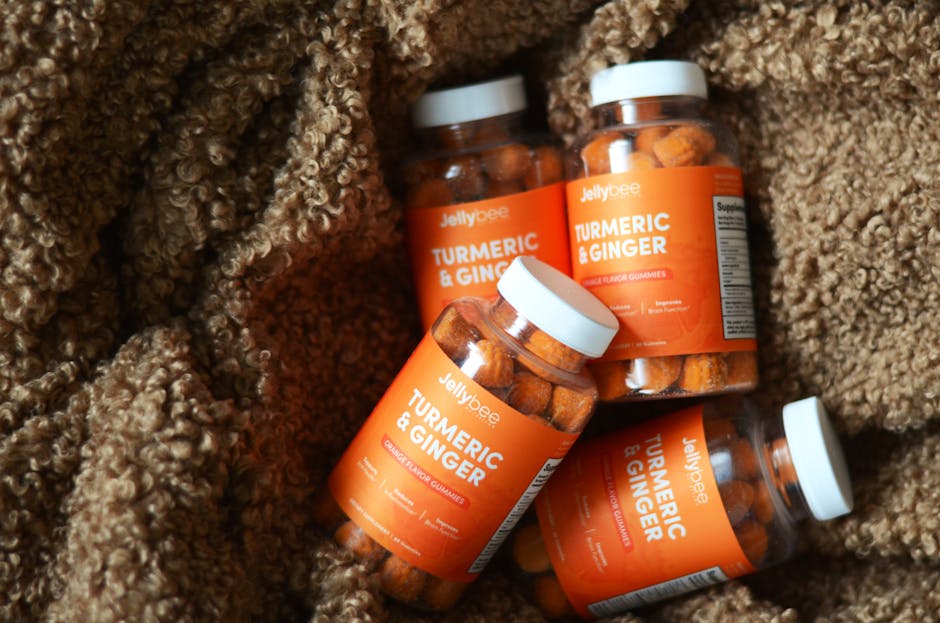
Last month, I tested a few popular anti-inflammatory diets and was surprised by the results. I felt more energized, and my digestion improved. If you’re skeptical, I totally get it—it’s hard to believe food can have such a significant impact. But trust me, it does! Inflammation is at the root of so many problems, and what you eat can either fuel it or fight it. I’ve had nagging joint pain for years, and I noticed a HUGE difference after just a few weeks. It’s not a miracle cure, but it definitely helped.
Key Components of Anti-Inflammatory Diets
- Fruits and Vegetables: Think berries, leafy greens, and colorful veggies.
- Healthy Fats: Olive oil, avocados, and nuts are great choices.
- Whole Grains: Quinoa, brown rice, and oats are your friends.
- Lean Proteins: Fish, chicken, and legumes can help.
Moving on, let’s talk about some specific diets that are often recommended. These core components are super important. You really want to load up on these. I try to make sure every meal includes at least two or three of these elements. It’s not always easy, but it’s worth it.
Popular Anti-Inflammatory Diets
There are a few diets that consistently pop up in discussions about inflammation:
- Mediterranean Diet: Rich in fruits, vegetables, whole grains, and healthy fats.
- DASH Diet: Focuses on reducing sodium and increasing nutrient-rich foods.
- Paleo Diet: Emphasizes whole foods and excludes processed items.
Each of these diets has its pros and cons. I’ve tried the Mediterranean diet for about three months now, and honestly, I love it. The flavors are amazing, and I never feel deprived. It’s also pretty easy to stick to, which is a huge plus. I’ve found tons of delicious recipes online, and I even started growing my own herbs. It’s become a real lifestyle change for me.
Real-Life Success Stories
I’ve come across some inspiring testimonials that really highlight the benefits of these diets. For instance, my friend swears by the Paleo diet; she’s lost weight and feels fantastic. Another acquaintance shared how the Mediterranean diet helped manage her arthritis symptoms. It’s amazing to see the positive impact these diets can have on people’s lives. It really motivates me to keep going.

Quick note: while these diets can be effective, they’re not a one-size-fits-all solution. It’s needed to find what works for you. What works for me might not work for you. It’s all about experimentation and finding what makes you feel your best. Don’t be afraid to try different things and see what sticks.
Summary of Benefits
Basically, adopting an anti-inflammatory diet can lead to numerous health benefits, including improved digestion, weight management, and reduced inflammation. If you’re thinking about making a change, I say go for it! You’ve got nothing to lose and everything to gain. It’s a journey, not a destination, so be patient with yourself and enjoy the process.
Frequently Asked Questions
How does an anti-inflammatory diet work?
An anti-inflammatory diet works by focusing on whole foods that reduce inflammation and avoiding processed foods that can trigger it. This helps improve overall health. It’s all about choosing the right foods to support your body’s natural healing processes.
What foods should I avoid on an anti-inflammatory diet?
Avoid processed foods, sugar, refined carbs, and trans fats. These can increase inflammation and counteract the benefits of the diet. Think of these foods as “inflammation fuel.” You want to starve the inflammation, not feed it.
How long does it take to see results?
Many people notice improvements within a few weeks, but it can take several months for significant changes, depending on your body and lifestyle. It’s not a quick fix, so don’t get discouraged if you don’t see results immediately. Stick with it, and you’ll eventually start to feel the difference.
Can I still enjoy treats on this diet?
Absolutely! Moderation is key. You can still enjoy occasional treats while focusing on healthier choices most of the time. I definitely still have my cheat days! It’s all about balance. Depriving yourself completely is a recipe for disaster.
Is this diet suitable for everyone?
While generally safe, it’s always best to consult with a healthcare provider before starting any new diet, especially if you’ve underlying health conditions. I’m not a doctor, and this isn’t medical advice. Always talk to your doctor before making any major changes to your diet or lifestyle.
Diving Deeper: Specific Foods to Embrace and Avoid
Okay, let’s get super specific. Knowing the *types* of foods is one thing, but knowing *exactly* what to put on your plate is another. I’ve found that having a concrete list makes things way easier. It prevents that “deer in headlights” feeling at the grocery store.
Foods to Embrace: Your Anti-Inflammatory Arsenal
- Berries: Blueberries, strawberries, raspberries – these are packed with antioxidants. I throw a handful into my smoothie every morning. Did you know that blueberries are one of the highest antioxidant foods you can eat? Research shows their compounds can reduce inflammation.
- Fatty Fish: Salmon, mackerel, sardines. These are rich in omega-3 fatty acids, which are powerful anti-inflammatories. I try to eat salmon at least twice a week. It’s super versatile – you can bake it, grill it, or even make salmon burgers.
- Olive Oil: Extra virgin olive oil is your best bet. Use it for cooking, salad dressings, and drizzling over veggies. It’s a staple of the Mediterranean diet.
- Leafy Greens: Spinach, kale, collard greens. Load up on these! They’re packed with vitamins, minerals, and antioxidants. I like to add spinach to my omelets and kale to my salads. Plus, they’re pretty cheap, especially if you buy them in bulk.
- Nuts and Seeds: Almonds, walnuts, chia seeds, flax seeds. These are great sources of healthy fats, fiber, and protein. I keep a bag of almonds in my car for a quick and healthy snack.
- Turmeric: This spice contains curcumin, a potent anti-inflammatory compound. I add turmeric to my curries, smoothies, and even my coffee. it’s a slightly earthy flavor that I actually enjoy.
- Ginger: Another powerful anti-inflammatory spice. I use ginger in my stir-fries, teas, and soups. It’s also great for settling an upset stomach.
- Green Tea: Rich in antioxidants and has been shown to reduce inflammation. I drink a cup of green tea every afternoon. It’s a great alternative to coffee.
Foods to Avoid: The Inflammation Instigators
- Processed Foods: These are full of unhealthy fats, sugar, and additives. Avoid them like the plague! Think chips, cookies, processed meats, and frozen meals.
- Sugary Drinks: Soda, juice, and sweetened beverages are loaded with sugar, which can trigger inflammation. Stick to water, unsweetened tea, or sparkling water.
- Refined Carbs: White bread, pasta, and rice are quickly converted to sugar in the body, leading to inflammation. Choose whole grains instead.
- Trans Fats: Found in many processed foods, these fats are extremely unhealthy and can promote inflammation. Check the labels carefully and avoid products containing “partially hydrogenated oil.”
- Excessive Alcohol: While moderate alcohol consumption may have some health benefits, excessive drinking can lead to inflammation and liver damage.
Creating Your Personalized Anti-Inflammatory Meal Plan
So, you’ve got the knowledge, but how do you put it all together? Creating a meal plan that works for you is key. Here’s my approach, and some tips I’ve learned along the way. I’m not a nutritionist, but I’ve spent a lot of time experimenting and figuring out what works best for me. I hope these tips help you too!
Start Small and Be Realistic
Don’t try to overhaul your entire diet overnight. That’s a recipe for burnout. Instead, start by making small, manageable changes. Maybe swap out sugary soda for water, or add a serving of vegetables to each meal. Even small changes can make a big difference over time. I started by simply adding a handful of spinach to my breakfast smoothie. It was a super easy way to get more greens into my diet.
Plan Your Meals in Advance
This is key to staying on track. Take some time each week to plan your meals and create a grocery list. This will help you avoid impulse purchases and ensure that you’ve healthy options on hand. I usually spend an hour on Sunday afternoons planning my meals for the week. It saves me so much time and stress during the week.
Cook at Home More Often
When you cook at home, you’ve complete control over the ingredients. This makes it much easier to avoid processed foods and unhealthy fats. Plus, it’s usually cheaper than eating out. I try to cook at home at least five nights a week. It’s a great way to relax and unwind after a long day.
Experiment with New Recipes
Don’t be afraid to try new things! There are tons of delicious and healthy anti-inflammatory recipes online. Find some that appeal to you and give them a try. I’ve discovered some of my favorite meals by experimenting with new recipes. It keeps things interesting and prevents me from getting bored with my diet.
Listen to Your Body
Pay attention to how different foods make you feel. If you notice that certain foods trigger inflammation or digestive issues, try eliminating them from your diet. Everyone’s body is different, so what works for one person may not work for another. I’ve learned that I’m sensitive to dairy, so I try to limit my intake. It’s all about finding what works best for you.
Don’t Be Too Hard on Yourself
It’s okay to indulge in treats occasionally. The key is to focus on making healthy choices most of the time. Don’t beat yourself up if you slip up. Just get back on track with your next meal. I allow myself one cheat meal per week. It helps me stay sane and prevents me from feeling deprived.
By following these tips, you can create a personalized anti-inflammatory meal plan that works for you. Remember, it’s a journey, not a destination. Be patient with yourself, and celebrate your progress along the way.
According to the Centers for Disease Control and Prevention (CDC), 6 in 10 adults in the US have a chronic disease. That’s a lot of people! An anti-inflammatory diet can be a powerful tool in managing and preventing these conditions.
You Might Also Like

