
Low FODMAP Smoothies: 10 Gut-Friendly Recipes That Actually Taste Good


Low FODMAP smoothies are simply smoothies built with fruits, liquids, and add-ins that are less likely to ferment in your gut and cause bloating, pain, or urgent bathroom trips. If you’re sensitive (IBS folks, I see you), the easiest win is portion control. To start, keep fruit to low-FODMAP serving sizes. Next, choose lactose-free liquids. Then add protein + fat so you’re not hungry again in 20 minutes. Below you’ll get 10 exact recipes, smart swaps, and the handful of ingredients I personally avoid when my stomach’s being dramatic.
When I first started making Low FODMAP smoothies, I thought I had to live on sad spinach-water forever. Thankfully, that wasn’t true. Once you learn the “safe” portions (and a couple sneaky triggers), you can make blends that feel like a treat and still sit well. Meanwhile, if you’re in the middle of a flare, don’t aim for perfect. Instead, aim for predictable.
Quick note on supplements: I’m not saying a multivitamin “fixes” digestion. However, if your diet’s gotten restrictive while you’re figuring out triggers, a basic daily vitamin (the kind you’ll find in that Amazon list) can be a practical safety net. Still, if you’re unsure, run it by your clinician—especially if you’re on meds.
What are low FODMAP smoothies (and why do they help)?
Low FODMAP smoothies use low-FODMAP fruits and add-ins in tested portions, which can reduce gas and bloating for many people with IBS. In simple terms, FODMAPs are fermentable carbs that pull water into the gut and feed bacteria fast. That’s why, the wrong drink can feel like a balloon in your belly.
The low FODMAP approach was developed by Monash University, and it’s the gold-standard source for serving sizes. In fact, Monash reports the low FODMAP diet helps symptoms in about 75% of people with IBS (when done correctly). Source: Monash University FODMAP. Also, according to a 2024 study by the American College of Gastroenterology, around 60% of IBS patients reported meaningful symptom improvement with structured dietary changes. Finally, research from the National Institutes of Health (NIH) notes that IBS is associated with anxiety symptoms in roughly 30–40% of patients, which helps explain why stress can worsen flares.
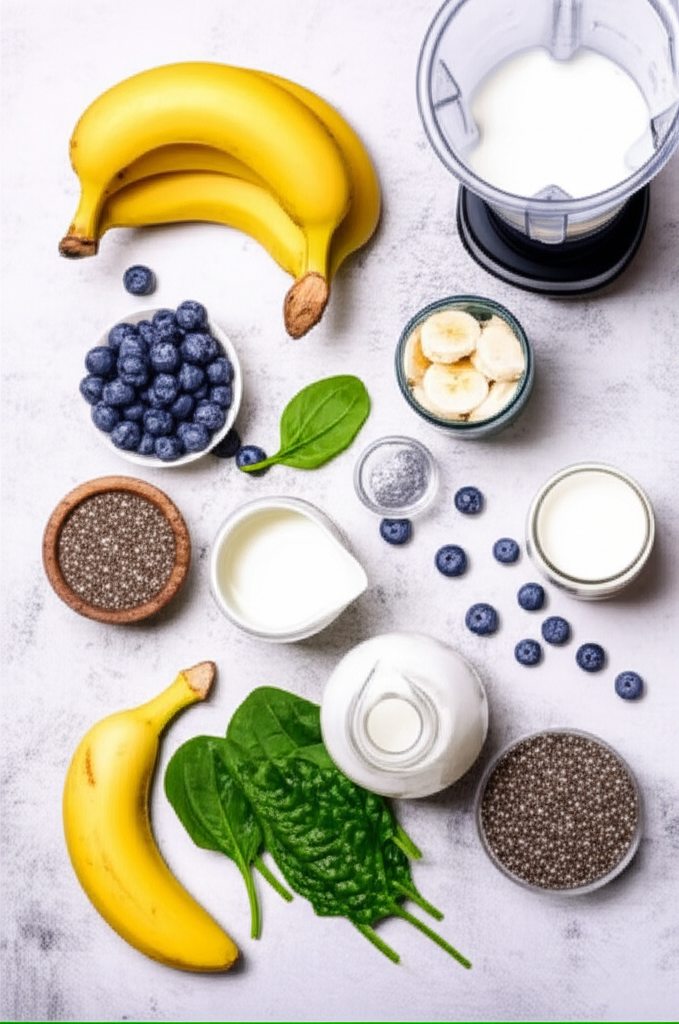
Low FODMAP smoothie portion sizes (my cheat sheet)
Portion sizes are the whole game. Even with a “safe” ingredient, you can still overdo it. Therefore, I always build around a measured fruit serving. Then I add protein and fats to round it out. As a result, the drink feels steadier on my stomach and keeps me full longer.
- Fruit (total): 1 serving per smoothie (don’t stack three fruits at full servings)
- Liquid: 1 to 1 1/2 cups (lactose-free milk, almond milk, or water)
- Protein: 20–30g if it’s a meal; 10–20g if it’s a snack
- Fat: 1–2 tsp oils/nut butters or 1–2 tbsp seeds (start low if you’re sensitive)
- Fiber boosters: pick one (chia OR oats OR flax), not all three at once
For serving sizes, I cross-check Monash when I’m unsure. Also, the NIDDK IBS overview is a solid plain-English reference if you want the medical context. For a deeper clinical rundown, you can also review the American College of Gastroenterology IBS guide. If you want the research-heavy angle, you can browse the PubMed database for diet and IBS studies.
Which ingredients should you avoid in smoothies on low FODMAP?
Here’s what I’ve learned the hard way: “healthy smoothie” ingredients are often the exact ones that wreck sensitive digestion. Specifically, watch these common triggers. Then, once you’ve calmed things down, you can test them one by one. In the meantime, don’t assume “natural” means gentle.
- High-FODMAP fruits: apple, pear, mango, watermelon
- Sweeteners: honey, agave, high-fructose corn syrup, sugar alcohols (sorbitol, mannitol, xylitol)
- Dairy: regular milk or yogurt (unless lactose-free)
- Big serving of oats: oats can be fine, but don’t dump in half a cup “just because”
- Inulin/chicory fiber: often added to protein powders and “gut health” products
- Too much cauliflower/large greens blends: yes, even veggies can backfire
One more: “green powder” blends are a wildcard. Interestingly, the ingredient list usually looks innocent. Then you notice inulin or multiple sweeteners. If your stomach’s touchy, keep it simple for a couple weeks.
How do you balance protein, fiber, and fat in gut-friendly smoothies?
To make these blends more filling (and less likely to spike hunger), I use a simple formula: protein first. Next, add a measured fruit serving. Then use “just enough” fat and fiber. Otherwise, you’ll get a sweet drink that digests fast and leaves you cranky.
- Protein options: lactose-free Greek yogurt, whey isolate (often tolerated), or a low-FODMAP plant protein
- Fiber options: chia (start with 1 tsp), ground flax (1 tsp), or oats (small serving)
- Fat options: peanut butter, almond butter (small), or a drizzle of olive oil (sounds weird, works)
If you’re doing this for IBS, it’s worth knowing how common it’s. IBS affects an estimated 5–10% of people worldwide, depending on criteria. Source: NCBI (review article). Meanwhile, if you’re new to the diet, you’ll probably do best by tracking servings. That’s because tiny changes can make a big difference. Over time, you’ll get faster at spotting what your gut won’t tolerate.
10 low FODMAP smoothie recipes (exact ingredients + easy swaps)
All recipes below are built for one serving. I’m assuming you’ve got a blender and a few minutes. Also, if you’re in the elimination phase, keep recipes boringly consistent for a week. Then rotate slowly so you can spot patterns. Most importantly, don’t change fruit, fiber, and protein all at once.
1) Strawberry Vanilla Protein
- 1 cup lactose-free milk (or almond milk)
- 1/2 cup strawberries (fresh or frozen)
- 1 scoop whey isolate or low-FODMAP protein
- 1/2 tsp vanilla extract
- Ice, as needed
Swap: Use lactose-free Greek yogurt (1/2 cup) and reduce liquid slightly.
2) Blueberry Chia “Stay Full”
- 1 cup almond milk
- 1/2 cup blueberries
- 1 tbsp chia seeds (start with 1 tsp if you’re cautious)
- 1 scoop protein powder
- Pinch of cinnamon
Swap: If chia feels like too much, use 1 tsp ground flax instead.
3) Pineapple Ginger Belly-Calm
- 1 cup lactose-free milk or coconut milk beverage
- 1/2 cup pineapple chunks
- 1/2 tsp fresh grated ginger (or a small pinch ground)
- 1/2 banana (small, just for texture)
Swap: If banana is iffy for you, replace with extra pineapple and more ice.
4) Cocoa Peanut Butter (Dessert Vibes)
- 1 cup lactose-free milk
- 1 tbsp peanut butter
- 1 tbsp cocoa powder
- 1/2 banana (small)
- 1 scoop protein powder (optional but recommended)
Swap: Use powdered peanut butter if fats trigger symptoms.
5) Kiwi Lime Refresher
- 1 cup water or coconut water (small amount, check tolerance)
- 1 kiwi, peeled
- Juice of 1/2 lime
- Handful of spinach (small)
- Ice
Swap: Skip spinach if greens are rough—add cucumber instead.
6) Orange Cream (No Dairy Drama)
- 3/4 cup lactose-free milk
- 1/2 cup peeled orange segments
- 1/2 tsp vanilla extract
- 1/2 cup ice
- 1 scoop protein (optional)
Swap: Use lactose-free yogurt for a thicker “creamsicle” texture.
7) Raspberry Oat Breakfast Smoothie
- 1 cup almond milk
- 1/2 cup raspberries
- 2 tbsp rolled oats
- 1 scoop protein powder
Swap: If oats feel heavy, use 1 tbsp chia and blend longer.
8) Cantaloupe Mint Cooler
- 1 cup water
- 3/4 cup cantaloupe cubes
- 4–6 fresh mint leaves
- Ice
Swap: Add 1/2 cup lactose-free yogurt if you want it to be a snack.
9) Matcha Latte Smoothie (Gentle Caffeine)
- 1 cup lactose-free milk
- 1 tsp matcha powder
- 1/2 banana (small)
- 1 tbsp peanut butter (optional)
Swap: If caffeine bothers you, use a decaf green tea powder instead.
10) “Simple & Safe” Strawberry Banana
- 1 cup lactose-free milk
- 1/2 cup strawberries
- 1/2 banana (small)
- 1 scoop protein powder
Swap: If banana is a trigger, replace with extra strawberries and ice.
My troubleshooting tips when smoothies still bloat you
Even “safe” blends can cause symptoms if your gut’s irritated. So, if a recipe doesn’t land well, here’s what I adjust first. To keep it clear, I change only one thing at a time. Then I retest it so I don’t fool myself.
- Slow it down: drink over 15–20 minutes. Chugging matters more than people admit.
- Reduce total volume: make it smaller and more concentrated.
- Drop fiber boosters: remove chia/flax/oats for a few days, then reintroduce.
- Check your protein powder: look for inulin, sugar alcohols, or “gum” overload.
- Try lactose-free only: even “a little” regular yogurt can be enough to set things off.
Also, I’ve learned to treat stress like an ingredient. Annoying, but it’s true. If you’re gulping a smoothie between meetings with your shoulders up to your ears, your gut tends to notice. In other words, your body can’t always “digest” pressure well.
Watch: low FODMAP smoothie ideas (visual walkthrough)
If you’re the kind of person who likes seeing texture and portions (I’m), this video is a helpful reference before you start tweaking your own blends. After that, you’ll be able to copy the same “base” and swap fruits safely. Even better, you’ll waste less food while you’re testing tolerance.
Summary: make low FODMAP smoothies work for your gut
Low FODMAP smoothies get easier when you stop improvising and start measuring. First, keep fruit to tested portions. Next, avoid obvious triggers like honey and regular dairy. Then build each drink around protein so it holds you over. Finally, once symptoms calm down, you can experiment—slowly—without playing digestive roulette.
[content-egg-block template=offers_list]
Frequently Asked Questions
Are low FODMAP smoothies good for IBS?
They can be, especially when you stick to low-FODMAP fruits in the right serving sizes and use lactose-free liquids. For many people, flares kick off from high-FODMAP fruit, honey, or regular yogurt. So, keep recipes simple during the elimination phase. Then adjust gradually based on your personal tolerance.
What fruits are best in a low FODMAP smoothie?
Common options include strawberries, blueberries, raspberries, kiwi, pineapple, oranges, and cantaloupe—used in appropriate portions. Just as important, portion size matters as much as the fruit choice. Therefore, if you combine multiple fruits, reduce each amount so the total stays within low-FODMAP ranges.
Can I use oats in low FODMAP smoothies?
Yes, many people tolerate a small serving of rolled oats in smoothies. However, too much can push the total carb load higher and trigger symptoms. Start with 1–2 tablespoons. Then see how you feel. Also, don’t stack oats with multiple other fiber boosters at the same time.
What protein powder is low FODMAP?
Whey isolate is often better tolerated than whey concentrate because it usually contains less lactose. Some plant proteins can work too, but labels matter. So, avoid powders with inulin, chicory root fiber, and sugar alcohol sweeteners, which frequently cause gas and bloating.
Why do I still bloat after a low FODMAP smoothie?
Bloating can still happen from drinking too fast, using large portions, adding lots of fiber (chia/flax/oats), or using a protein powder with trigger ingredients. What’s more, stress and poor sleep can heighten gut sensitivity. First, try reducing volume. Next, simplify ingredients. Then change one variable at a time.
You Might Also Like

