
Beta-Alanine Tingling: How Long It Lasts & How to Stop It


Beta-alanine tingling (that prickly, itchy “pins and needles” feeling) usually starts within 10–20 minutes after a dose and fades within 30–90 minutes for most people. Basically, it’s called paresthesia, and it’s typically harmless—more annoying than dangerous. However, if tingling comes with hives, swelling, wheezing, or a fast-spreading rash, that’s not “normal supplement tingling,” and you should stop and get medical help.
I still remember the first time it hit me. Back then, I’d dry-scooped pre-workout like I was invincible. Then I sat in my car wondering why my ears and scalp felt like fizzy soda. Honestly, I thought I was having a reaction. It turns out it was classic beta-alanine. The good news is that once you know what’s happening, you can control it.
Quick side note: if you’re building a supplement stack, don’t ignore the basics. In practice, I’ve seen more “mystery fatigue” fixed by consistent nutrition than by chasing the newest powder. A basic daily multivitamin can be a nice safety net (especially if your diet is hit-or-miss), and that’s why I’m not mad at those Amazon daily vitamin supplements listings when you’re comparing options.
what’s beta-alanine tingling, exactly?
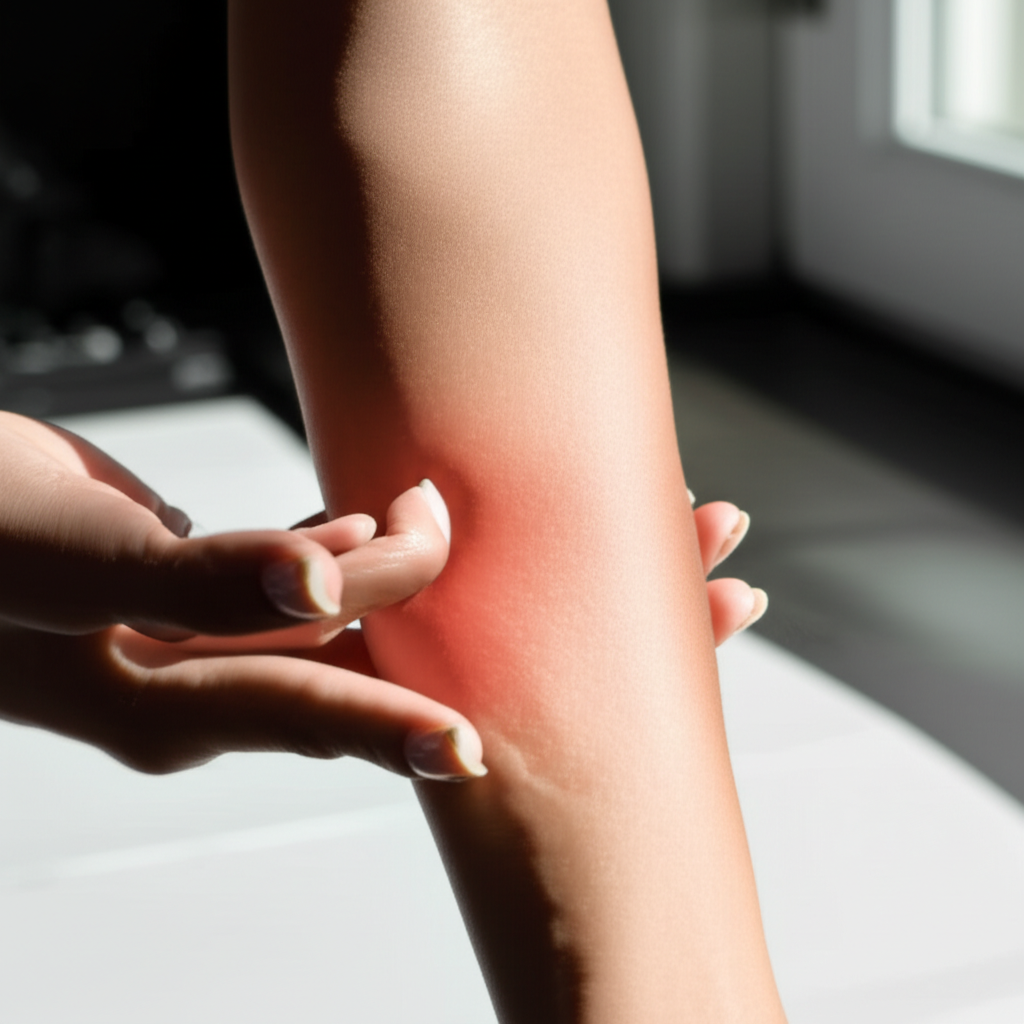
Beta-alanine tingling is a temporary sensation (paresthesia) that some people feel after taking beta-alanine, often on the face, ears, neck, shoulders, hands, or forearms. In general, it’s dose-related, meaning the bigger the single dose, the more likely you’ll notice it. Interestingly, it’s not muscle soreness and it’s not “fat burning.” Instead, it’s just a sensory side effect.
Beta-alanine is an amino acid that helps your body build carnosine in muscle. As a result, carnosine helps buffer acidity during hard efforts, which is why beta-alanine is popular for high-intensity work (think intervals, CrossFit-style metcons, rowing sprints, hard sets of 8–15 reps).

Why does beta-alanine cause tingling (paresthesia)?
Here’s the simple version: a rapid spike in beta-alanine in your blood can activate certain nerve receptors in the skin. Specifically, research suggests beta-alanine can stimulate sensory neurons through receptors like MrgprD, which can create that itching/tingling sensation. Therefore, the faster and higher the spike, the more “buzz” you feel.
Notably, this is different from an allergic reaction. Paresthesia is a known, expected effect at higher single doses. In contrast, an allergy tends to come with immune symptoms (hives, swelling, trouble breathing). If you’re not sure which is which, err on the cautious side.
who’s most likely to feel beta-alanine tingling?
Some people barely notice it. Meanwhile, others feel like they stuck their face in a beehive (okay, slight exaggeration, but you get me). In my experience, you’re more likely to notice it if:
- You take a large single dose (especially 2 g+ at once).
- You’re new to it and not used to the sensation.
- You take it fasted or slam it with a stimulant-heavy pre-workout.
- You’re smaller-bodied (same dose, higher relative exposure).
- Your product is “rapid release” powder/capsules, not sustained-release.
On top of that, some pre-workouts hide it in a proprietary blend. Then you’re left guessing why you’re tingling. Personally, I’m opinionated here: I strongly prefer labels that show exact doses.
How long does it last?
For most people, it lasts 30 to 90 minutes. Typically, it ramps up quickly, peaks, then fades. If you took a very large dose, it can linger for up to about two hours. On the other hand, if you split your dose, you might barely feel anything.
As a practical clue, if the sensation starts soon after dosing and fades on its own, that points to normal paresthesia. Conversely, if it starts much later, keeps worsening, or includes swelling or breathing issues, that’s a different situation.
Is it normal… or a red flag?
Most of the time, it’s normal. Still, I want you to have a clear “don’t mess around” checklist.
Usually normal
- Tingling/itching on the skin without visible hives
- Starts within 10–30 minutes of taking beta-alanine
- Fades within about 1–2 hours
- No breathing symptoms
Potential red flags (stop and get help)
- Hives (raised, itchy welts), widespread rash, or intense flushing
- Swelling of lips, tongue, throat, or face
- Wheezing, chest tightness, trouble breathing
- Dizziness, fainting, or severe nausea
If you’ve asthma, a history of allergies, or you’re mixing multiple new supplements at once, it’s smart to introduce one product at a time. That way, you can actually identify the culprit.
How do you stop it (or make it way milder)?
You don’t have to “tough it out.” In fact, you can usually reduce the sensation without losing the performance benefit, because the main goal is building muscle carnosine over time—not feeling weird for an hour.
1) Split the dose (my go-to fix)
If you’re aiming for 3.2 g per day, don’t take it all at once. Instead, try 800 mg–1.6 g, two to four times daily. That’s why, you smooth out the blood level spike that triggers paresthesia.
2) Take it with food
Having it with a meal or snack can slow absorption a bit. For example, taking it after breakfast and again after lunch tends to feel calmer than taking it fasted.
3) Choose sustained-release beta-alanine
Sustained-release forms are designed to reduce the sudden blood spike. They can be pricier; however, if tingling makes you hate taking it, the “expensive” option becomes the practical one.
4) Lower your single dose
This sounds obvious, but it works. If 2 g makes you itch, try 1 g. Then build up slowly over a week. Similarly, you can use smaller capsules if powders tempt you to over-scoop.
5) Watch your pre-workout timing
If you mix it into a pre-workout with caffeine, niacin, yohimbine, or other “feel it right now” ingredients, the combined sensations can feel intense. Therefore, consider taking it separately earlier in the day, then keep your pre-workout simpler.
What dosage is considered safe and effective?
Most studies use 3.2–6.4 grams per day, often split into smaller doses, for several weeks to raise muscle carnosine. As a result, that dosing approach is widely referenced in sports nutrition position stands and reviews.
For an evidence-based overview, see the International Society of Sports Nutrition position stand on beta-alanine: JISSN (Beta-alanine position stand). Also, the NIH Office of Dietary Supplements has a helpful general framework for evaluating supplements and safety basics (even though beta-alanine isn’t a “vitamin”): NIH Office of Dietary Supplements. For product quality checks, you can also look at NSF Certified for Sport listings. Finally, for an overview of supplement quality and testing considerations, see USP Verified.
A practical dosing schedule (that minimizes tingles)
- Week 1: 800 mg, 3–4x/day (with meals if possible)
- Week 2+: 1.6 g, 2x/day or 800 mg, 4x/day
Importantly, it isn’t like creatine where timing is a big deal. Instead, consistency matters more than “right before training.”
Common interactions and stacking: what to watch for
Generally, the tingling isn’t an “interaction problem,” but stacks can make sensations stronger or confuse what’s causing what. Here are the common ones I see in real life:
- Pre-workouts with niacin: Niacin can cause flushing/heat. Combined with paresthesia, it can feel dramatic.
- Caffeine: It doesn’t directly cause tingling, but it can increase perceived intensity and anxiety. If you’re jittery, the buzz feels worse.
- Citrulline, arginine: Usually fine, but the “pump” sensation plus tingles can feel strange if you’re new.
- Antihistamines: People sometimes ask if they can “block” tingles. I wouldn’t take medication just to tolerate a supplement side effect—reduce the dose instead.
- Taurine: There’s discussion about it and taurine using similar transporters. Evidence in humans is mixed; still, if you’re taking high-dose taurine, keep doses reasonable and monitor how you feel.
If you’re pregnant, breastfeeding, under 18, have kidney disease, or you’re on prescription meds you can’t easily adjust, it’s worth checking with a clinician who understands sports supplements (not every provider does, but many do).
Does the tingling mean it’s “working”?
This is the myth that won’t die. Importantly, tingling doesn’t equal effectiveness. You can build muscle carnosine and improve high-intensity performance without feeling much at all, especially if you dose-split or use sustained-release.
Also, the benefits are most consistent for efforts roughly 1–4 minutes long (hard intervals, sustained pushes). That’s why sprinters, fighters, and people who do brutal conditioning tend to like it. If your training is mostly easy Zone 2 cardio, you might not notice much payoff.
Real stats worth knowing (so you’re not guessing)
Stats help cut through the “bro science,” so here are a few grounded numbers:
- According to a 2024 survey by Council for Responsible Nutrition (CRN), 74% of U.S. adults reported taking dietary supplements.
- Research from the NIH Office of Dietary Supplements notes that 57.6% of U.S. adults reported using a dietary supplement in the past 30 days (NHANES 2017–2018 summary).
- According to a 2024 report by NSF, approximately 10% of dietary supplements tested worldwide may be at risk of contamination or mislabeling (reported in NSF educational resources summarizing industry testing outcomes).
That’s exactly why I’m big on reading labels and not stacking five new things at once. Most supplements are fine, but “fine” depends on how you use them.
What I do personally (a simple, low-tingle routine)
If I’m using it consistently, I keep it boring:
- 800 mg with breakfast
- 800 mg with lunch
- 800 mg mid-afternoon (or with dinner)
- Sometimes another 800 mg if I’m pushing toward 3.2 g
When I do that, I barely notice beta-alanine tingling. When I ignore that and dump it into pre-workout on an empty stomach… well, I get the soda-scalp thing again. Lesson learned.
Quick summary (so you know what to do next)
Beta-alanine tingling is usually harmless paresthesia that peaks shortly after dosing and fades within 30–90 minutes. To reduce it, split your daily dose, take it with meals, or use sustained-release forms. Stay in the common research range (about 3.2–6.4 g/day), and watch for true allergy signs like hives or breathing problems.
You Might Also Like
- Walking After Meals: Blood Sugar Timing and How Long to Walk

