
Berberine Before Meals: Dosage, Timing, and Side Effects (Real-World Guide)


Berberine before meals usually means taking it 15–30 minutes before eating, most often 500 mg, 2–3 times daily, depending on your goal and what your clinician says. In practice, people do this because it tends to work best on post-meal blood sugar spikes when it’s already in your system as you eat. However, it can cause GI side effects (think: cramps, loose stool, nausea). So, starting low and titrating slowly is the move.
I first ran into berberine when a friend with stubborn A1C numbers told me, “It’s the only supplement that actually moved the needle.” That got my attention. Still, here’s the thing: it isn’t a multivitamin. Instead, it behaves more like a medication in the body, which is why timing, dose, and interactions matter more than people think.
Also, a quick practical note: a lot of people who start it are also cleaning up the basics—protein at breakfast, fewer sugary drinks, more walking. So when you see changes, it’s often a stack of habits working together. That’s not a bad thing. It’s just real life.
One Amazon item I’ve genuinely seen help people stay consistent is a simple weekly pill organizer (especially if you end up doing two doses a day). It’s not exciting. However, it prevents the “Did I take it?” spiral.
what’s taking it before meals supposed to do?
When people talk about berberine before meals, they’re usually chasing one outcome: better blood sugar control after eating. Specifically, the goal is to blunt the size of the rise after a carb-heavy meal and improve metabolic markers over time.
Berberine is a plant compound found in several herbs (like barberry). Mechanistically, people discuss it for its effects on AMPK (an enzyme involved in energy metabolism), plus changes in insulin sensitivity. And, it may influence glucose production in the liver and the gut microbiome. Interestingly, it’s one of the few supplements studied for markers like fasting glucose, A1C, and lipids.
For example, a meta-analysis in Metabolism reported it was associated with improvements in glycemic control and lipids in people with metabolic issues (the magnitude varies study-to-study). You can read an overview via the NIH PubMed Central (berberine review). Meanwhile, the NIDDK A1C overview explains why A1C changes take time.
According to a 2024 report by the CDC, about 11.6% of U.S. adults have diabetes. On top of that, the same CDC report estimates 38.4% of adults have prediabetes. That context helps explain why so many people are looking for post-meal support tools.
Meanwhile, research from PubMed Central notes GI complaints are among the most commonly reported side effects in supplement trials. Also, a 2024 survey by CRN (Council for Responsible Nutrition) found 74% of U.S. adults use dietary supplements. So, you’re not alone if you’re trying to “get the timing right.”
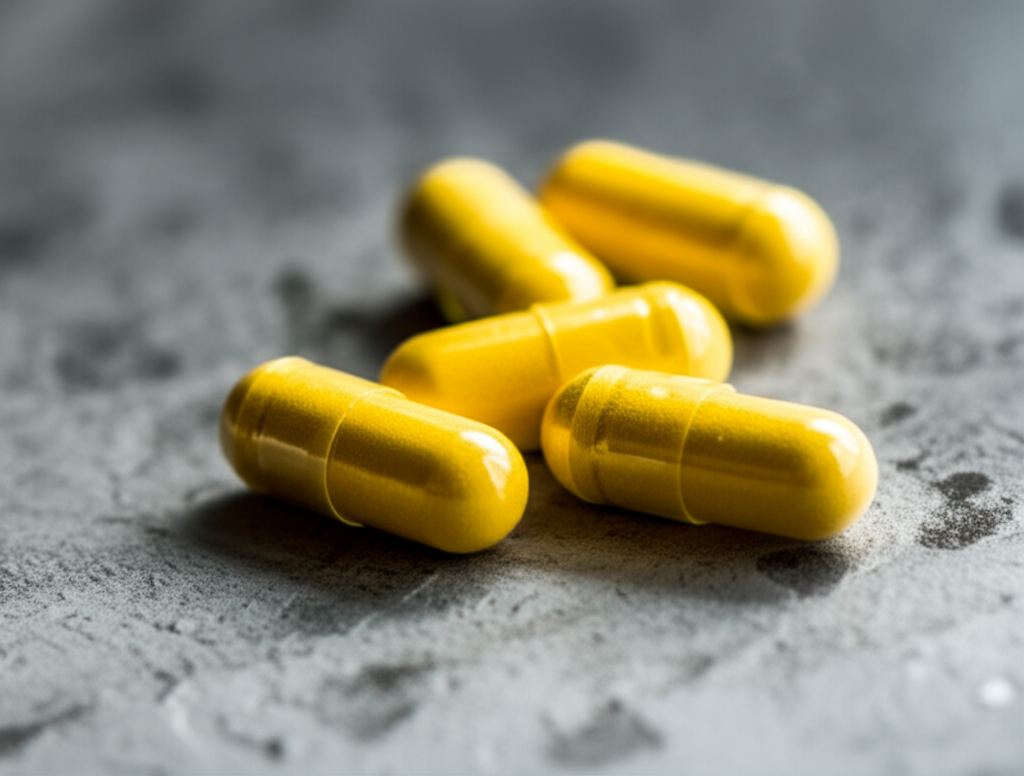
Berberine dosage: what most studies and clinicians typically use
Most commonly, you’ll see it used at 1,000–1,500 mg per day, split into doses. In practice, that often looks like:
- 500 mg twice daily (1,000 mg/day), or
- 500 mg three times daily (1,500 mg/day)
Why split it? First, it’s a relatively short time in the body. Second, smaller divided doses are often easier on the stomach. Also, taking it around meals helps line up its effect with glucose coming in.
If you’re the “I want the simplest plan possible” type (same), twice daily tends to be easier to stick with. However, people who are targeting post-meal glucose may do better with three smaller doses—if their gut can tolerate it. In other words, adherence matters as much as the plan.
One caution I wish more people heard upfront: more isn’t always better. If 1,500 mg/day turns your digestion into a disaster, you won’t stay on it long enough to see benefits anyway. Ultimately, consistency beats hero dosing.
When should you take it (timing that actually makes sense)?
Most people take it 15–30 minutes before meals. Because of that, the timing feels practical for day-to-day life. Plus, it tends to match the supplement’s purpose.
That said, real life isn’t a lab. If you forget and only remember as you’re sitting down, taking it with the meal is still common. For some folks, that reduces nausea. On top of that, if you’re prone to low blood sugar symptoms, you may feel better taking it with food rather than on an empty stomach.
Here are a few timing options people actually use:
- 15–30 minutes pre-meal: most popular for post-meal glucose management
- With meals: often easier on the stomach
- Focused dosing: take it before your two highest-carb meals rather than every meal
Ultimately, you want a simple rule. So pick the approach you’ll do consistently and that doesn’t wreck your GI tract. Then, adjust.
How long does it take to work?
Some people notice changes in appetite, cravings, or post-meal energy within 1–2 weeks. However, the bigger “numbers” people care about—like fasting glucose, triglycerides, and A1C—usually need more time.
A1C reflects roughly a 3-month average of blood sugar. So expecting a dramatic A1C drop in two weeks isn’t realistic. For many, a fair evaluation window is 8–12 weeks, especially if you’re pairing it with diet and activity changes.
Also, keep your expectations grounded. A supplement can support a plan. Still, it won’t outwork nightly desserts and a totally sedentary routine. Annoying, but true.
Side effects (what I see people complain about most)
The most common issues are digestive. Specifically:
- Loose stool or diarrhea
- Constipation (yep, both can happen)
- Stomach cramps
- Nausea
- Gas or bloating
For many people, side effects are dose-related. Therefore, starting lower and moving up slowly can make a huge difference.
Another less talked-about issue: some people feel a little “off” if they’re already eating low-carb or they’re on glucose-lowering meds. It’s not always true hypoglycemia. However, the symptoms can feel similar (shaky, lightheaded, irritable). If that’s you, don’t just push through it—adjust timing and dose, and talk to your clinician.
Who should avoid it (or at least get medical clearance first)?
I’m pretty conservative with this part because the stakes are higher than “mild stomach upset.” So you should avoid it or get clinician approval if any of the following apply:
- Pregnancy or breastfeeding: safety data is limited, and it’s generally not recommended.
- Kids: it’s not a DIY supplement for children.
- Diabetes meds: especially insulin or sulfonylureas—this may increase risk of low blood sugar when combined.
- Blood pressure meds: effects can stack for some people.
- Blood thinners / anticoagulants: potential interaction risk needs professional review.
- Cyclosporine or other narrow-therapeutic-index meds: interaction potential is a big deal.
Berberine can interact with certain drug-metabolizing pathways and transporters. The National Center for Complementary and Integrative Health (NCCIH) berberine page is a solid starting point for safety and interaction cautions. Also, your pharmacist can often flag conflicts fast, which is helpful if you’re on multiple meds.
A beginner schedule (bring this to your clinician)
If you’re brand new and you want a cautious ramp-up, here’s a simple schedule I’d discuss with a clinician. It aims to reduce side effects while still moving toward a studied dose.
- Week 1: 500 mg once daily (before your largest meal)
- Week 2: 500 mg twice daily (before two meals)
- Week 3+ (if tolerated and appropriate): 500 mg three times daily
If you get GI symptoms, don’t grit your teeth and “power through.” Instead, back down to the last comfortable dose for another week. Meanwhile, taking it with meals can help. On top of that, some people do better when they avoid taking it right before a very fatty meal.
Tracking makes this easier. For example, I like a simple note in your phone: dose, time, meal, and any symptoms. Two minutes a day, tops.
Does it help with weight loss or cholesterol?
Sometimes, yes—especially when someone has insulin resistance. It’s studied for lipids, too, including triglycerides and LDL cholesterol. Notably, one widely cited meta-analysis found it was associated with reductions in total cholesterol and triglycerides across multiple trials (again, results vary). You can explore one overview through PubMed (berberine and lipid effects).
For weight: some people drop a few pounds. Still, it’s rarely dramatic without diet changes. In fact, I’ve noticed the people who do best tend to use it as a “support rail” while they fix meal structure—more protein and fiber, fewer liquid calories, and some kind of daily walking plan.
My “don’t mess this up” checklist (so you don’t waste 2 months)
If you’re going to try it, I’d focus on a few unsexy basics first:
- Choose a reputable brand with third-party testing when possible.
- Start low, then increase gradually.
- Pick a consistent timing plan (before meals or with meals) and stick to it for 3–4 weeks before judging it.
- Don’t combine blindly with glucose-lowering meds without supervision.
- Measure something: fasting glucose, post-meal readings (if you monitor), waist measurement, or labs through your clinician.
One more reality check: supplements can be under-dosed or impure. That’s why I prefer brands that publish testing or have certifications. Also, if you’re experiencing significant side effects, it’s not a moral failing. It just might not be the right tool for you.
Summary: Berberine before meals is typically taken 15–30 minutes ahead of eating to support post-meal blood sugar control. A common total daily dose is 1,000–1,500 mg split into 2–3 doses, and many people need 8–12 weeks for meaningful lab changes. Start low, watch GI side effects, and be extra cautious with pregnancy, breastfeeding, and medication interactions.
[content-egg-block template=offers_list]
You Might Also Like

