
Sleep Inertia Remedies: 9 Science-Backed Ways to Wake Up Clear


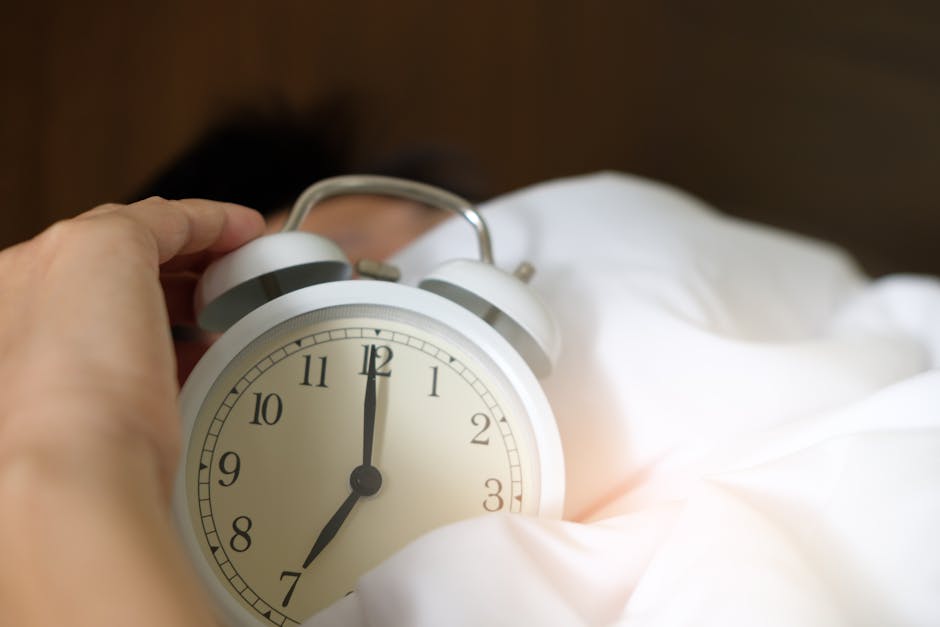
Sleep inertia remedies are the small, practical things that cut through that “why am I awake but still offline?” feeling after you open your eyes. Essentially, sleep inertia is the groggy, slow-thinking period right after waking, and it can last anywhere from 5 minutes to 90 minutes. In most cases, the fastest wins come from light, timing, movement, and caffeine strategy—not willpower. Below are nine science-backed ways to wake up clearer, plus a simple 7-day experiment so you can find what actually works for your mornings.
I’ve dealt with it on and off for years. Honestly, for me, it’s worst when I sleep in, hit snooze, or wake up in a dark room. Meanwhile, on the days I do the “annoying” stuff—light in my face, water, a short walk—I feel like a functional adult much faster. So, let’s talk about what’s really happening and how to fix it without turning your morning into a military routine.
Quick note: I’m not saying vitamins magically erase grogginess (they don’t). However, if your diet’s inconsistent, a basic daily multivitamin can be a sensible “coverage” habit. I’ve bought a no-frills multivitamin from Amazon before for exactly that reason—nothing fancy, just consistency.
What are sleep inertia remedies (and why do they work)?
Sleep inertia remedies are tactics that shorten the brain’s “boot-up” period after waking. Specifically, they work by nudging your circadian system (your internal clock), increasing alertness chemicals in the brain, improving blood flow, and reducing the chance you wake from deep sleep at the wrong time.
Here’s the frustrating part: sleep inertia isn’t just “being tired.” Instead, it’s a temporary drop in alertness and performance right after waking, and it can hit even if you slept a decent amount. In fact, researchers describe it as impaired cognition and reduced vigilance that gradually fades as the brain transitions to full wakefulness.
Why do some people feel groggy for 30–90 minutes after waking?
Some mornings you pop up and feel fine. On other mornings, you’re technically awake but mentally buffering. Typically, that longer 30–90 minute slump tends to happen when a few factors stack up:
- Waking from deep sleep (slow-wave sleep): If your alarm rips you out of a deeper stage, the grogginess can be intense.
- Sleep debt: When you’re short on sleep, your body tries to grab more deep sleep—so waking becomes rougher.
- Dim mornings or no light: Light is a primary “on switch” for your circadian rhythm. A dark room encourages melatonin to linger.
- Irregular schedule: Sleeping in on weekends can feel good short-term, but it often backfires on Monday.
Also, let’s be real: some people are just more sensitive. For example, I’ve got a friend who can wake up at 5:30 like a cartoon character. Meanwhile, if I wake up in the wrong part of my sleep, I feel like I’m underwater.

Does sleep stage timing actually matter?
Yes—although it’s not as “perfectly trackable” as sleep apps claim. Still, the concept is solid: waking from lighter sleep is usually easier than waking from deep sleep. Therefore, timing your wake-up to land near the end of a sleep cycle (often roughly 90 minutes) can reduce grogginess.
That said, don’t obsess. If you’re chronically underslept, no amount of cycle math will rescue you. Instead, start by getting enough total sleep, then fine-tune timing.
9 science-backed sleep inertia remedies that actually help
I’m giving you nine options because nobody needs nine new habits at once. So, pick two or three and test them. Interestingly, the best stack for most people is: light + movement + smart caffeine.
1) Get bright light in your eyes (fast)
Within 5–15 minutes of waking, get bright light exposure. In general, natural outdoor light is the gold standard, even on cloudy days. Light helps suppress melatonin and signals your brain that the day has started. If it’s dark outside, a bright indoor lamp helps too. You might also enjoy our guide on Glycine for Sleep: Dosage, Timing, Side Effects, and What Ac.
One practical trick: I open the curtains before I even check my phone. Otherwise, I’ll “just scroll for a second” and suddenly it’s 20 minutes later and I’m still groggy.
2) Don’t hit snooze (it usually makes it worse)
Snoozing can drag you into another sleep stage and then yank you out again. That’s why, you may feel more wrecked than if you’d just gotten up. If you’re a chronic snoozer, put your alarm across the room. Yes, it’s annoying. Still, it works.
3) Use a caffeine strategy instead of “coffee ASAP”
Caffeine helps, obviously. However, slamming it immediately can be hit-or-miss if your body’s still clearing morning sleep chemistry. Many people do well with a 10–30 minute delay after waking (light + water first), then caffeine.
If you want to get nerdy, caffeine’s half-life is often quoted as about 5 hours in adults (varies a lot). Therefore, keep it earlier in the day if sleep’s already fragile. For reference, the FDA notes that up to 400 mg/day is generally considered safe for most healthy adults (roughly 4–5 cups of coffee, depending on strength). Source: FDA caffeine guidance.
4) Hydrate early (but don’t chug like it’s a competition)
Mild dehydration can make you feel sluggish. So, drink a glass of water soon after waking. What’s more, if you wake with a dry mouth, that’s a clue you’ll benefit. I keep water by the bed because otherwise I won’t remember until I’m already late.
5) Move for 2–5 minutes (yes, it counts)
You don’t need a full workout to beat it. A couple minutes of movement—air squats, a short walk, a few mobility drills—can raise heart rate and increase blood flow. In fact, this is one of the fastest ways to feel more alert without adding another “big habit” to your life.
6) Warm up, then cool down (shower temperature hack)
Body temperature is tied to sleep and wake regulation. A warm shower can help you feel human, while a slightly cooler finish can increase alertness. Specifically, try 60–90 seconds of cooler water at the end. You don’t have to suffer—it’s just cooler than comfortable.
7) Eat a light, balanced breakfast (or at least avoid sugar bombs)
A huge sugary breakfast can spike and crash you. Instead, aim for protein + fiber (Greek yogurt and berries, eggs and toast, oatmeal with nuts). On top of that, if you’re not hungry early, that’s fine—just don’t start with pure candy disguised as cereal.
8) Tighten your sleep schedule (the boring fix that works)
Going to bed and waking up at roughly the same time reduces circadian chaos. Therefore, if you wake at 7 on weekdays and 10 on weekends, try meeting in the middle. Even shifting weekends to 8:00–8:30 can help.
If you want a hard number: the CDC reports that about 1 in 3 adults don’t get enough sleep. As a result, chronic short sleep makes mornings harder for a lot of people. Source: CDC sleep statistics. On top of that, according to a 2024 survey by the American Academy of Sleep Medicine, over 50% of U.S. adults say daytime sleepiness affects their daily activities at least a few days per week.
9) Use smarter alarms (light alarms or gradual sound)
A gentler wake-up can reduce that “jolt” feeling. For instance, sunrise alarm clocks slowly increase light before your alarm time, which can make waking feel smoother, especially in winter. Similarly, alarms that ramp volume can be less brutal than a sudden siren.
Also, if your mornings are consistently brutal, screen for sleep apnea symptoms (loud snoring, gasping, daytime sleepiness). It’s more common than people think. Estimates often land around ~1 billion people worldwide with obstructive sleep apnea. Source: The Lancet Respiratory Medicine (global OSA estimate). On top of that, a 2024 report from the Sleep Foundation notes that up to 30% of U.S. adults report symptoms of insomnia, which can worsen next-day sluggishness. Finally, research from the National Library of Medicine reports that bright morning light can improve alertness and circadian timing in many adults, which is why this tactic tends to pay off fast.
Which sleep inertia remedies should you try first?
If you’re overwhelmed, do this simple order: For more tips, check out Fiber Prediabetes: Best Foods & Simple Daily Targets.
- First: bright light + no snooze
- Next: water + 2 minutes of movement
- Then: caffeine timing
That combo gives you the biggest return for the least effort. Besides, you can do it even on chaotic mornings. If you want more background on sleep timing, you can also check the NIH/NHLBI sleep overview.
7-day plan: test what works (without changing your whole life)
This is the part most articles skip. You don’t need more tips—you need a quick experiment. So, here’s a simple 7-day plan I’ve used when my mornings drift into chaos.
- Day 1 (baseline): Do your normal routine. Rate grogginess at 5, 30, and 60 minutes after waking (0–10).
- Day 2 (light): Get 5–10 minutes of outdoor light within 15 minutes of waking. Rate again.
- Day 3 (light + water): Add a full glass of water right after waking.
- Day 4 (add movement): Add 2–5 minutes of movement. Keep it stupidly easy.
- Day 5 (caffeine timing): Delay caffeine 15–30 minutes. Note mental clarity and mood.
- Day 6 (alarm change): Put alarm across the room or use gradual volume. No snooze.
- Day 7 (schedule tweak): Keep wake time consistent. Go to bed 20–30 minutes earlier.
At the end, look for patterns. Specifically, which change improved your 30-minute score the most? Keep that one. Then add the second-best change the next week.
When should you worry that it’s more than “normal grogginess”?
If you’re doing the basics and still feel wrecked most mornings, it’s worth taking seriously. Talk to a clinician if you’ve got loud snoring, witnessed breathing pauses, morning headaches, or you’re fighting sleepiness while driving. Also, persistent insomnia, restless legs, or depression can hide behind “I’m just not a morning person.”
Quick summary (so you actually remember this tomorrow)
Sleep inertia is the brain’s slow transition from sleep to full alertness, and it gets worse when you wake from deep sleep, carry sleep debt, or start your day in dim light. The most reliable tactics are bright morning light, avoiding snooze, a little movement, hydration, and a smarter caffeine plan. If mornings are consistently miserable despite good habits, consider screening for sleep disorders.
[content-egg-block template=offers_list]
You Might Also Like
